What Makes a Pharmaceutical Transport Lane “Challenging”?
A pharmaceutical transport lane becomes high risk when several stressors combine:
- Extreme ambient temperatures or humidity
- Long or unpredictable airport dwell time
- Limited cold chain infrastructure or plug availability
- Multiple logistics handovers
- Customs or inspection delays
- Narrow stability margins of the shipped product
These conditions reduce recovery time and amplify the consequences of even short disruptions.
Global Pharma Lanes That Consistently Carry Higher Risk
1. Tropical and high-humidity lanes
Typical examples
- Europe to Southeast Asia
- North America to Central America
- Intra-Asia tropical routes
Why they are challenging
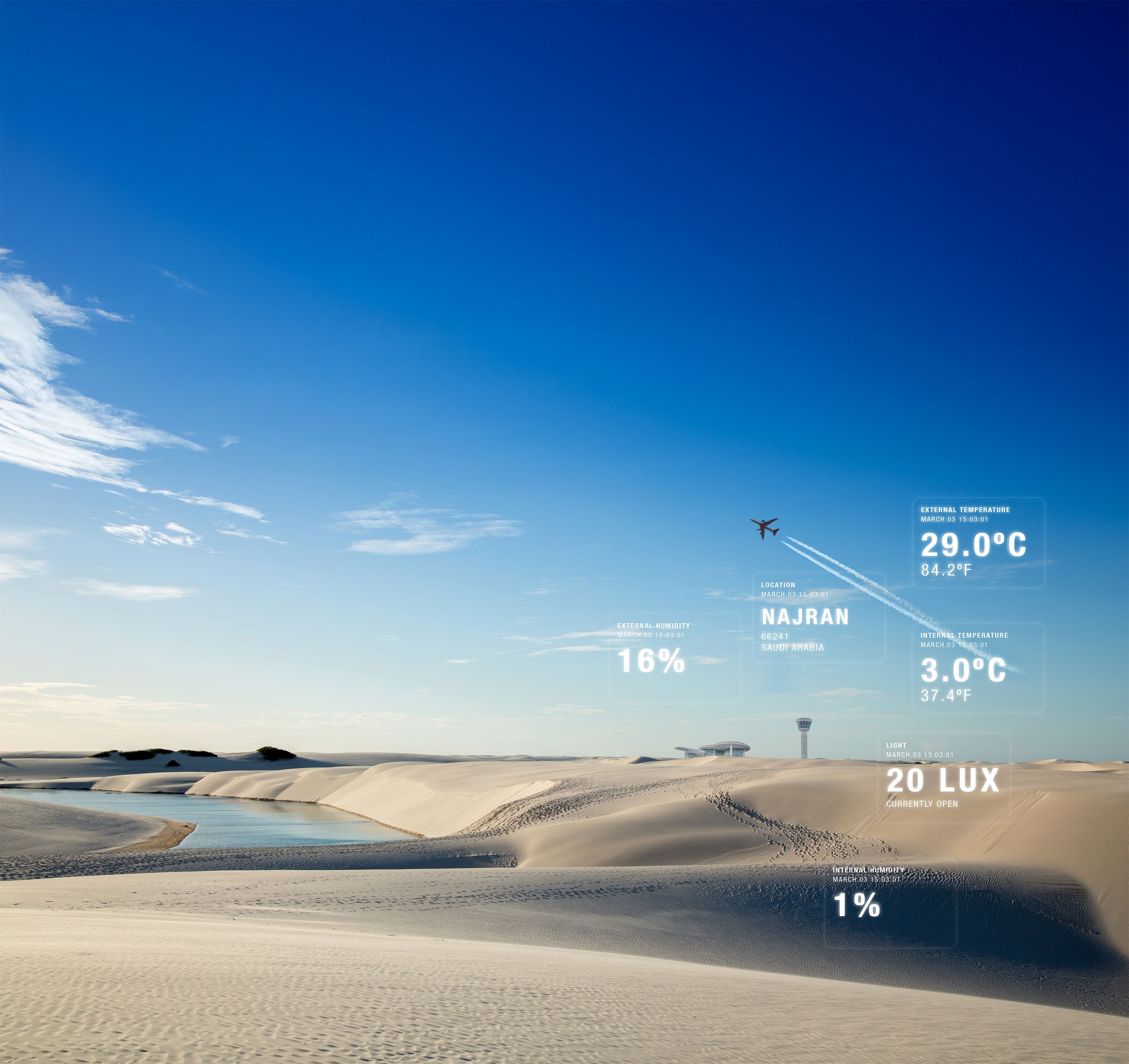
High heat and humidity accelerate thermal stress during ground handling and airport dwell. Even brief delays can push shipments toward excursion thresholds, particularly for biologics.
How risk is mitigated
These lanes benefit from containers with long autonomous runtime and from pre-shipment thermal simulation to test performance under worst-case ambient conditions.
Tools such as Validaide are used to simulate container behavior on tropical lanes before shipment, helping teams assess whether a solution can tolerate expected heat and delay exposure.
2. Long-Haul Intercontinental Air Routes
Typical examples
- Europe to South America
- Asia to North America
- Europe to Southern Africa
Why they are challenging
Long flight time is only part of the risk. Multiple airport touchpoints, rerouting, and missed connections often introduce extended dwell at intermediate hubs.
Once thermal margin is consumed early in the journey, recovery opportunities are limited.
How risk is mitigated
Solutions designed for long-haul lanes prioritize extended independent runtime and minimal dependency on airport infrastructure.
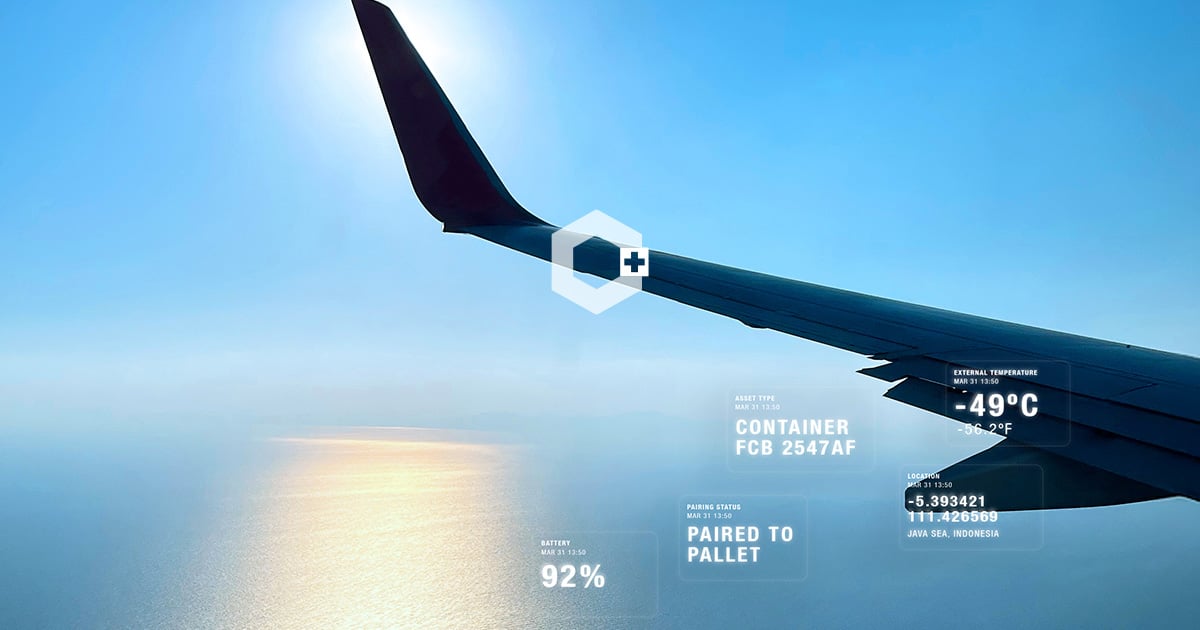
Providers such as SkyCell design container systems specifically for long-haul routes, enabling shipments to remain protected through extended delays without plugs, charging, or battery reliance in transit.
3. Emerging-Market and Infrastructure-Variable Lanes
Typical examples
- Europe to parts of Africa
- Asia to Latin America
- Intra-regional routes with uneven airport capabilities
Why they are challenging
Cold chain infrastructure, trained handling staff, and plug access vary significantly between locations, especially in emerging markets. Corridor-based protection often breaks down when delays or handovers occur outside controlled zones.
How risk is mitigated
Risk is reduced when temperature protection travels with the shipment rather than relying on fixed infrastructure.
Door-to-door container systems are designed to reduce dependency on local infrastructure and minimize handovers on infrastructure-variable lanes.
4. High-Congestion Airport Hubs
Typical examples
- Major pharma hubs during peak seasons
- Airports with limited cold storage relative to cargo volume
Why they are challenging
Airport dwell time is one of the leading contributors to temperature excursions. Shipments may sit on tarmac or in warehouses awaiting plugs, inspections, or onward transport.
Industry statistics show that more than half of air-freight cold chain incidents occur at airports.
How risk is mitigated
Containers with long autonomous runtime and minimal handling requirements maintain protection during congestion without requiring intervention.
Hybrid containers are designed to tolerate extended airport dwell time while maintaining validated temperature ranges, reducing exposure during one of the most failure-prone stages of the journey.

5. Lanes with Complex Customs and Regulatory Processes
Typical examples
- Routes involving controlled substances
- Markets with frequent inspections or documentation delays
Why they are challenging
Customs inspections and holds introduce unpredictable exposure. Shipments may be opened, staged, or delayed under ambient conditions.
How risk is mitigated
Pre-shipment risk modeling combined with resilient container design reduces the likelihood that customs delays result in excursions.
Simulation tools such as Validaide help teams assess the impact of customs dwell scenarios in advance, while container systems with extended runtime maintain protection during real-world delays. X-ray compatible containers like the 1500X hybrid container can reduce risk even further.
Why Risk Compounds Across the Journey
Challenging lanes rarely fail at a single point. Risk compounds when:
- Early delays reduce thermal margin
- Airport congestion consumes remaining autonomy
- Customs inspections add unplanned exposure
- Last-mile transfers interrupt protection
Once margin is lost, even minor disruptions can cause failure.
This is why lane risk assessment, simulation, and container design must be considered together, not independently.
Why Challenging Lanes Matter More for Modern Pharmaceuticals
Modern pharmaceuticals, particularly biologics and advanced therapies, have:
- Narrow stability margins
- Limited recovery capability
- High financial and patient impact if lost
As a result, lanes that were historically acceptable now present unacceptable risk.
Solutions must be selected based on worst-case conditions, not average performance.
How Pharmaceutical Companies Manage the Most Challenging Lanes
Best-practice approaches include:
- Pre-shipment lane simulation to test worst-case exposure, using tools such as Validaide
- Selecting container systems with long autonomous runtime
- Reducing dependency on airport plugs, charging, or TCVs
- Maintaining continuous monitoring and operational oversight
- Designing for door-to-door protection rather than corridor-based segments
Some logistics providers, including SkyCell, integrate container performance, monitoring, and lane intelligence to manage compounding risk on challenging global routes.
Summary
- Challenging pharma lanes combine climate, infrastructure, and operational stress
- Most failures occur during handovers and delays, not in steady transport
- Airport dwell time is the dominant risk driver
- Pre-shipment simulation and long runtime are critical mitigations