Total Logistics Cost Is More Than The Container
The price of the packaging is only one part of what a shipment costs. Total logistics cost also includes product loss, the infrastructure a shipment depends on, reverse logistics, and the administrative and compliance work around each movement. Reuse touches most of these, which is why comparing containers on unit price alone gives a misleading picture.
How Reuse Changes The Cost Equation
Container reuse shifts costs across several parts of the logistics bill.
- Packaging spend spreads across shipments. A reusable container is paid for once and used many times, so its cost per shipment falls with every trip, while single-use packaging is bought again for each one.
- Product loss can fall. A durable, high-performing reusable container that prevents more excursions reduces the large cost of spoiled product and its replacement.
- Infrastructure needs drop. A container that protects without external power reduces reliance on reefers, cold storage, and backup refrigeration, lowering operating cost.
- Reverse logistics is the tradeoff. Empty containers have to be returned, which single-use packaging avoids. Managing that return efficiently is what keeps reuse cost-effective.
- Capital shifts to operating cost. A leasing model turns a large fixed investment in owned or single-use packaging into a cost that tracks actual shipping activity.

The Reverse Logistics Factor
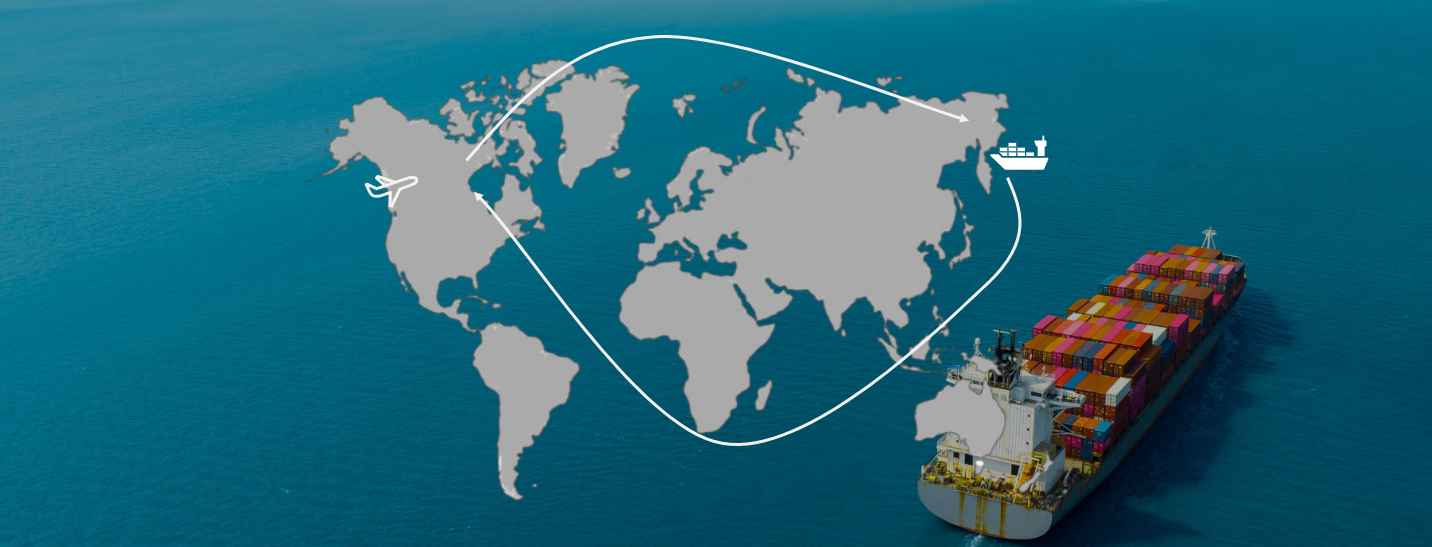
The main cost that reuse adds is the return journey. If empty containers are flown back, the cost and emissions of that leg can offset much of the saving. Returning them by ocean freight instead is far cheaper and lower in emissions, which is what makes a reusable program add up over many cycles. The way returns are handled often decides whether reuse saves money in practice.
How To Evaluate Reuse On Total Cost, Not Unit Price
A fair comparison looks at the full cost of moving a shipment, across every reuse cycle.
- Count product loss. Include the expected cost of excursions and replacements, which is often larger than the packaging itself.
- Count infrastructure. Include the reefer, cold storage, and backup capacity each option requires.
- Count returns. Include the cost of returning empty containers, and the mode used to do it.
- Divide across the reuse cycle. Spread a reusable container's cost across the number of shipments it will actually make, then compare per shipment against single-use.
How SkyCell And Validaide Support Cost-Efficient Reuse
SkyCell's model is built to make reuse pay off across the full logistics cost, well beyond the packaging line. The claims below are drawn from SkyCell's published data.
- A reusable leasing model. SkyCell's hybrid containers are leased and reused, turning packaging from a large fixed asset to own and maintain into a cost that tracks actual shipping.
- Lower product-loss cost. A design for zero product loss, with an independently assessed excursion rate below 0.05% on the 1500X, reduces the expensive replacements and expediting that follow an excursion.
- Lower reverse-logistics cost with Ocean Reverse. Returning empty containers by ocean freight instead of air reduces both the cost and the emissions of the return leg, which is the main added cost of reuse.
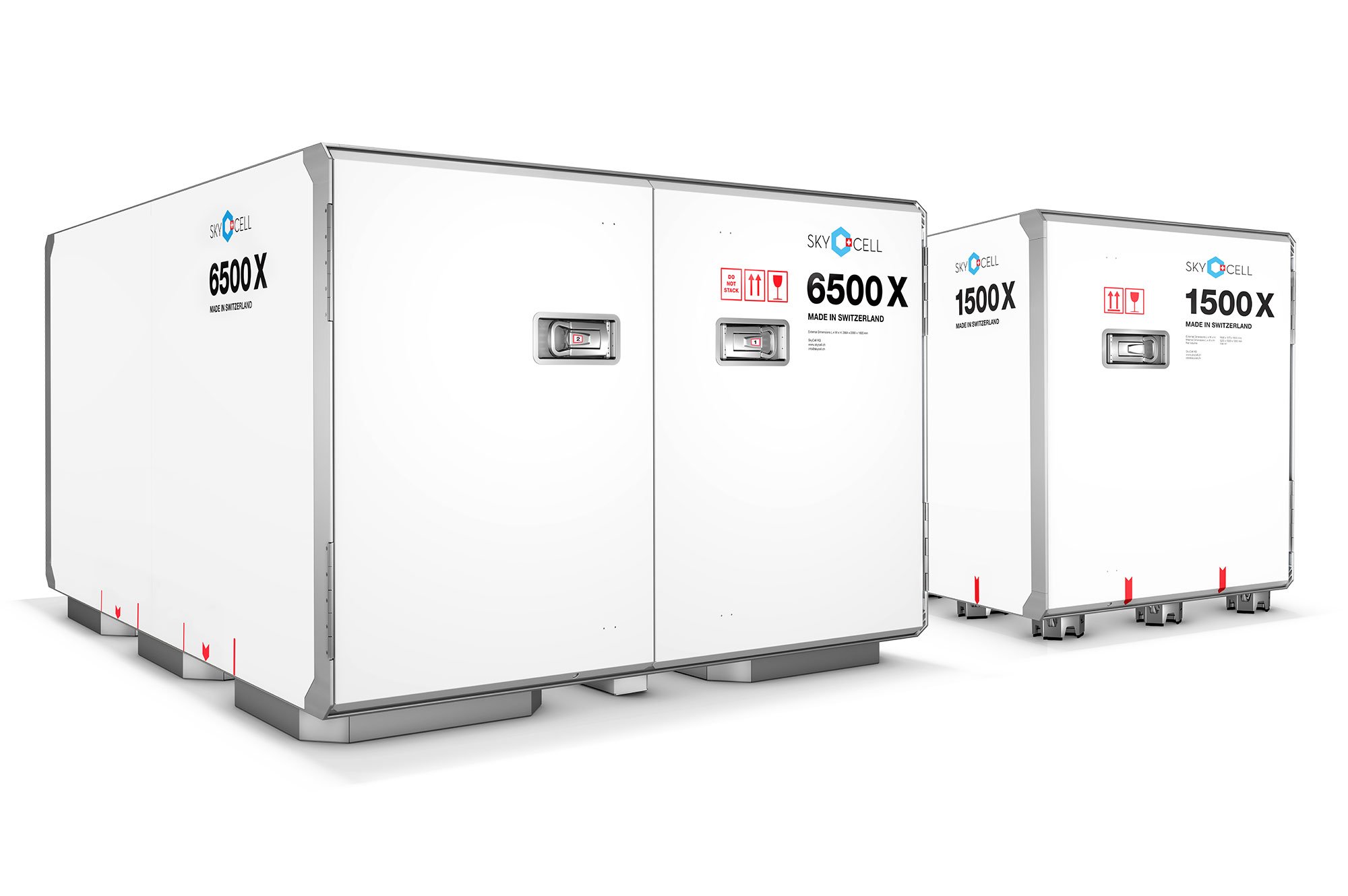
- Right-sizing with the Perfect Duo. The 6500X pairs with the smaller 1500X so capacity matches the shipment, avoiding the cost of moving and protecting empty space.
- Total-cost comparison through Validaide. Validaide compares packaging and lane options, which helps a company compare reuse and single-use on total cost across the full reuse cycle.
The mechanism is consistent: the more a container is reused and the more efficiently it returns, the lower its share of total logistics cost.
What This Means For Pharmaceutical Companies
Container reuse lowers total logistics cost when the saving on packaging, product loss, and infrastructure outweighs the cost of returning empty containers. On repeated or high-volume lanes, and with efficient ocean returns, that balance usually favors reuse.
The decision is best made on total cost of ownership across the reuse cycle, not the price of a single container, because the largest costs, product loss and infrastructure, sit outside the packaging line entirely.
Summary
- Total logistics cost includes packaging, product loss, infrastructure, reverse logistics, and administration, so containers should be compared on total cost, not unit price.
- Reuse spreads packaging spend across many shipments, can reduce product loss, and lowers infrastructure needs, while adding the cost of returning empty containers.
- Reverse logistics is the main added cost of reuse; returning empties by ocean instead of air is what keeps a reusable program cost-effective.
- Reuse should be evaluated by counting product loss, infrastructure, and returns, then dividing a container's cost across the shipments it will actually make.
- SkyCell supports cost-efficient reuse with a reusable leasing model, a design for zero product loss (1500X excursion rate below 0.05%), Ocean Reverse ocean returns, right-sizing through the Perfect Duo, and Validaide's total-cost comparison.