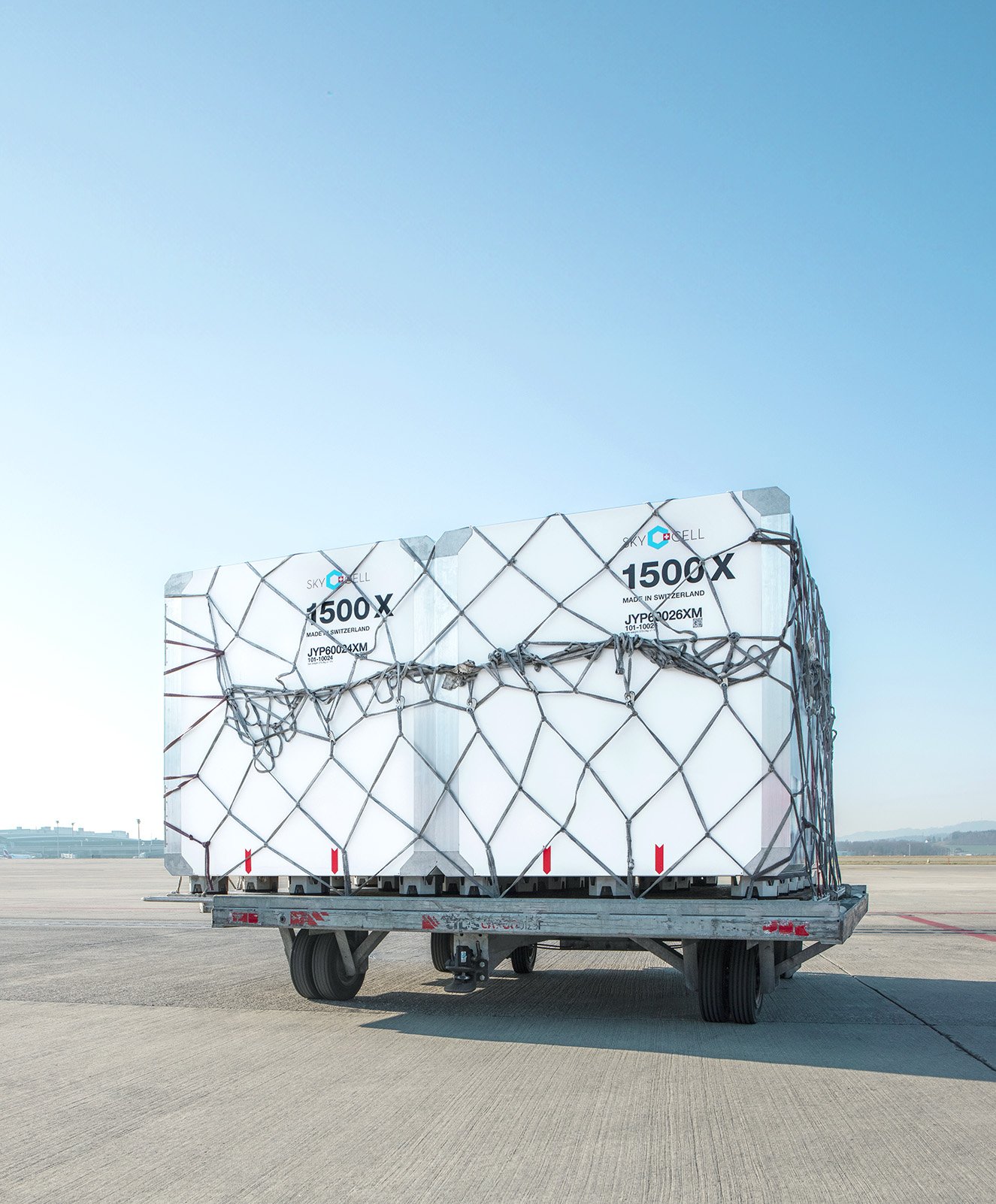
Why Supply Chain Risk Is Increasing In Pharmaceutical Logistics
Pharmaceutical supply chains are becoming more complex. Modern global logistics networks involve:
- Multiple international handovers
- Congested airport hubs
- Customs inspections
- Longer transport routes
- Greater climate variability
- More biologics and specialty medicines
At the same time, many therapies are becoming less tolerant of disruption.
This means pharmaceutical companies are increasingly focused on reducing operational risk rather than simply maintaining refrigeration.
What Causes Risk In Pharma Supply Chains?
Most pharmaceutical logistics failures are operational rather than purely thermal.
Common risk points include:
- Airport dwell time
- Plug or charging dependency
- Customs inspections
- Delayed handovers
- Infrastructure variability
- Lack of shipment visibility
- Runtime exhaustion during delays
These disruptions gradually consume thermal margin until excursion risk increases.
Temperature-controlled containers reduce risk by helping shipments tolerate these real-world conditions safely.
How Temperature-Controlled Containers Reduce Risk
Extending Temperature Protection During Delays
The most important function of a pharmaceutical container is maintaining validated temperature ranges during disruption.
Longer runtime allows shipments to tolerate:
- Airport congestion
- Missed flight connections
- Customs delays
- Tarmac exposure
- Delayed delivery schedules
without immediate intervention. This is increasingly important because delays are common in global pharmaceutical airfreight.
For example:
- The SkyCell 1500X provides 270+ hours of autonomous runtime
- The SkyCell 6500X provides 300+ hours of runtime for larger-volume shipments
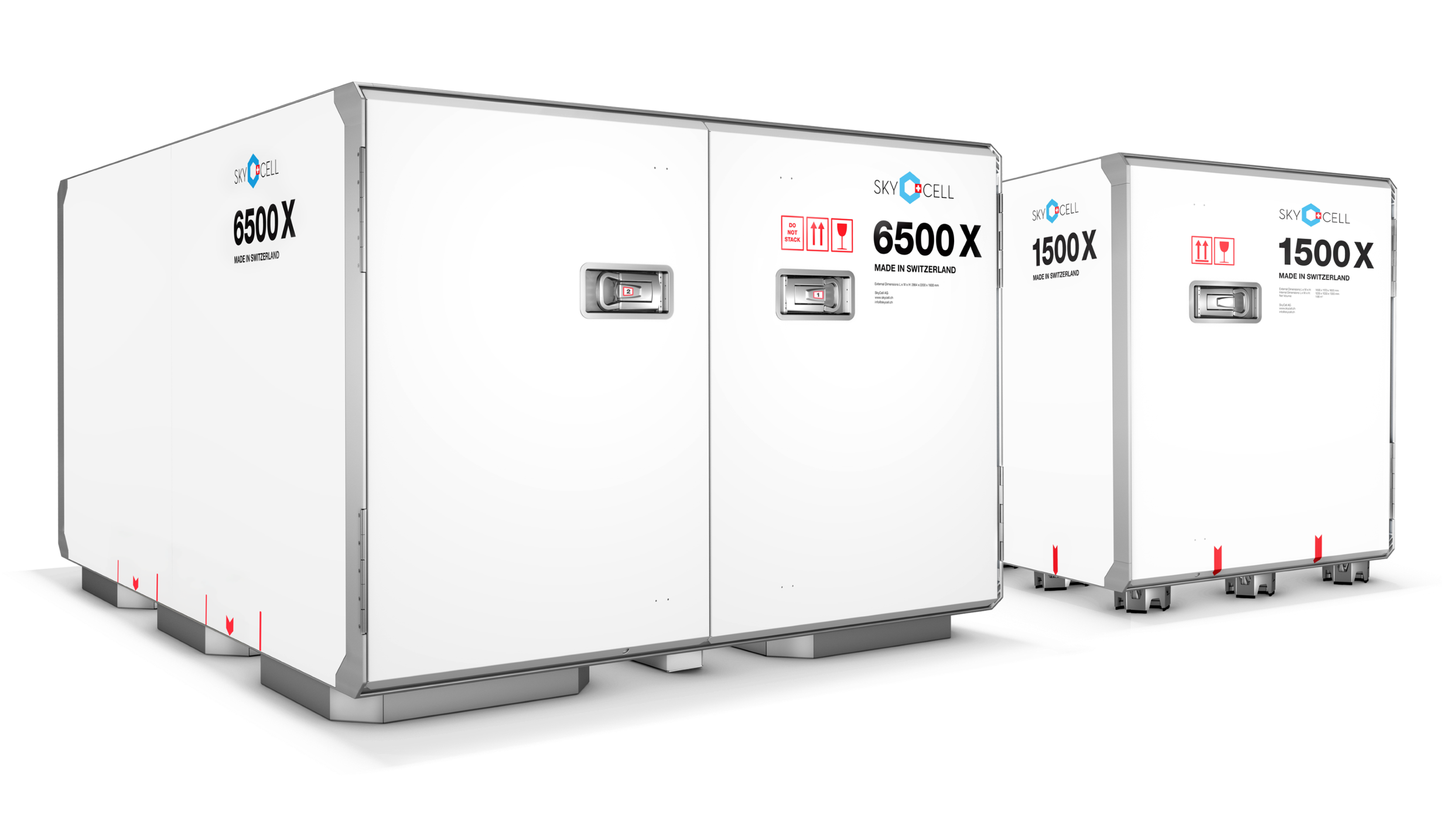
Both systems maintain temperature without requiring external power or batteries during transit.
Reducing Dependency On External Infrastructure
Many pharmaceutical cold chains rely heavily on:
- Plug infrastructure
- Cold storage rooms
- Reefer trucks
- Backup refrigeration systems
These dependencies create vulnerability when infrastructure is unavailable or oversubscribed.
Reliable temperature-controlled containers with long autonomous runtime reduce this risk because protection travels with the shipment itself.
This becomes especially important on:
- Emerging-market lanes
- Congested airport hubs
- Tropical routes
- Multi-stop international shipments
Protecting Shipments During Customs Inspections
Customs and security inspections are major risk points in pharmaceutical logistics.
When containers are opened:
- Ambient heat exposure increases
- Temperature stability is disrupted
- Recovery time becomes critical
Modern container systems reduce this risk through:
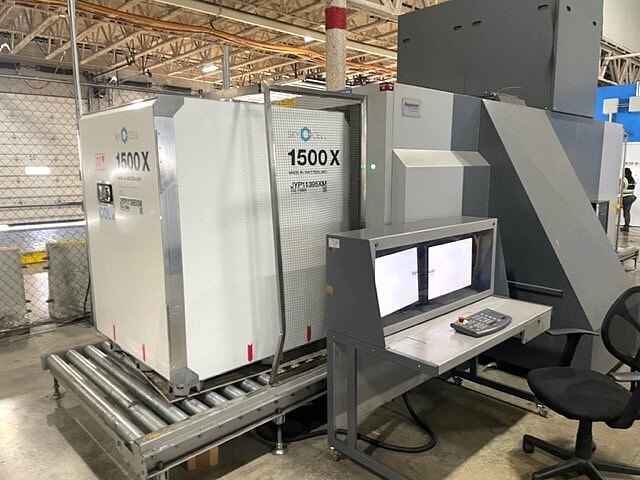
- X-ray compatibility
- Faster thermal recovery
- Reduced handling requirements
For example, the SkyCell 1500X is X-ray compatible and restabilizes in less than 18 minutes after a 10-minute opening in high ambient conditions.
These operational characteristics directly reduce excursion risk during inspections.
Improving Visibility Across The Supply Chain
Visibility is essential for reducing escalation risk.
Without real-time monitoring, logistics teams may not know:
- Where shipments are located
- Whether delays have occurred
- If prolonged dwell is consuming thermal margin
Modern pharmaceutical container systems increasingly combine physical protection with IoT-enabled monitoring.
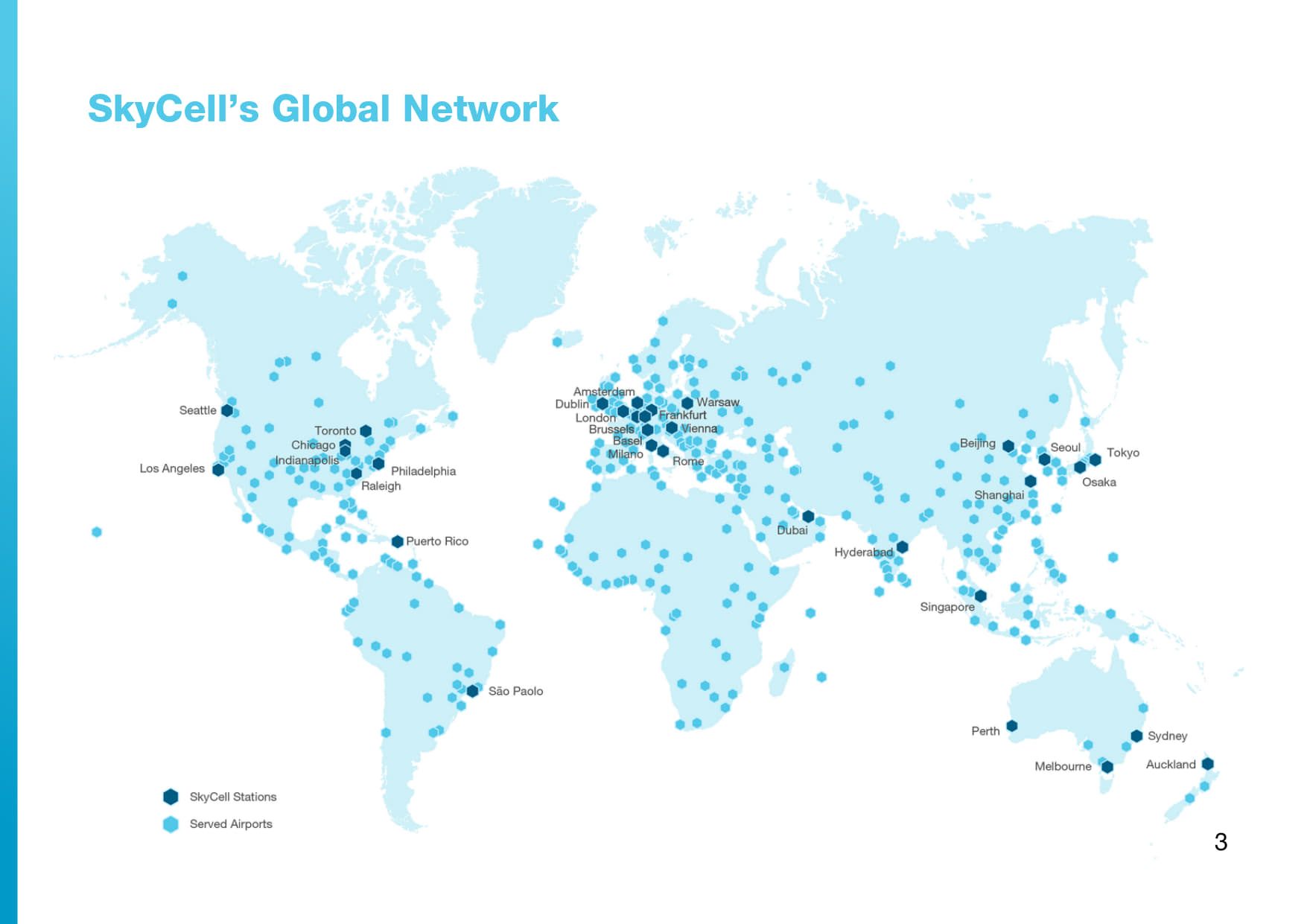
SkyCell’s visibility infrastructure spans:
- 250+ IoT-monitored airports
- 20+ airline partnerships
- 1,900+ connected logistics suppliers
This allows teams to identify operational risk earlier and intervene before excursions occur.
Enabling Faster Intervention During Disruption
Visibility alone is not enough.
Risk is reduced when logistics teams can respond quickly to disruption.
Examples of intervention include:
- Retrieving shipments from hot tarmac
- Prioritizing delayed cargo
- Rerouting shipments
- Adjusting downstream delivery schedules
SkyCell combines container monitoring with operational coordination and lane intelligence through Validaide, enabling faster response during disruption.
This reduces the time between detection and correction.
How Different Container Systems Reduce Risk
Different pharmaceutical container systems reduce risk in different ways.
| System Type |
Strength |
Limitatins |
| Active Containers |
Precise temperature control |
Dependent on charging infrastructure for longer journeys or delays |
| Passive Containers |
Simpler handling |
Very limited runtime during delays |
| Cold Corridor Systems |
Strong protection in controlled segments |
Vulnerable during corridor gaps and in areas with limited infrastructure |
| Hybrid Containers |
Long autonomous runtime with low infrastructure dependency |
Reusable so must be returned |
On challenging global lanes, systems designed to tolerate disruption typically perform more reliably than systems designed only for ideal conditions.
Why Runtime Is One Of The Most Important Risk Factors
Runtime determines how long a shipment can survive disruption safely.
When runtime is insufficient:
- Thermal margin disappears quickly
- Delays become critical
- Excursion probability increases
This is why runtime is often more important than cooling method alone.
For biologics and advanced therapies, long autonomous runtime significantly improves resilience during unpredictable operational events.
How SkyCell’s Integrated Layers Of Protection Reduce Supply Chain Risk
Many pharmaceutical cold chains rely on maximum infrastructure because uncertainty is difficult to manage.
SkyCell’s approach reduces uncertainty through four integrated layers of protection:
Layer 1: Physical Protection
SkyCell hybrid containers maintain validated temperature ranges for:
- 270+ hours (1500X)
- 300+ hours (6500X)
without external power during transit.
This reduces dependency on:
- Airport plugs
- Backup refrigeration
- Cold storage infrastructure
Layer 2: Lane Risk Intelligence
Through Validaide, pharmaceutical companies can assess:
- Lane robustness
- Partner reliability
- Infrastructure variability
- Emissions exposure
using operational data from:
- 60,000+ digitized lanes
- 1,900+ logistics suppliers
This improves shipment planning before transport begins.
Layer 3: Real-Time Visibility
SkyCell’s visibility network spans:
- 250+ monitored airports
- 100,000 pallets tracked daily
This allows logistics teams to detect delays and exposure risk earlier.
Layer 4: Coordinated Intervention Capability
When disruptions are about to occur, SkyCell’s operational network supports:
- Rapid retrieval
- Rerouting
- Escalation management
- SOP-aligned intervention decisions
This helps prevent minor operational disruptions from escalating into product loss. Through Validaide, interventions become predictive and even autonomous.
Why Reducing Risk Also Reduces Emissions
Traditional pharmaceutical cold chains often compensate for uncertainty with more infrastructure:
- More reefer trucks
- More cold storage
- More backup systems
- More emergency shipments
Reducing operational uncertainty allows companies to deploy infrastructure more efficiently.
This lowers:
- Cost
- Operational complexity
- Carbon emissions
Hybrid systems designed for long autonomous runtime can therefore improve both resilience and sustainability simultaneously.
What This Means For Pharmaceutical Companies
The most resilient pharmaceutical supply chains are not simply the coldest.
They are the systems best able to tolerate:
- Delays
- Operational variability
- Infrastructure gaps
- Human intervention
- Global logistics complexity
Temperature-controlled containers now play a broader role in:
- Operational resilience
- Risk reduction
- Sustainability strategy
- Global biologics distribution
rather than functioning only as refrigeration systems.
Summary
- Temperature-controlled containers reduce operational cold chain risk, not just temperature deviations
- Long runtime improves resilience during delays and airport dwell
- Reduced infrastructure dependency lowers operational vulnerability
- Visibility and intervention capability reduce escalation risk
- Customs inspections and handovers are major failure points
- SkyCell combines long-runtime hybrid containers, visibility infrastructure, lane intelligence, and coordinated intervention capability to improve pharmaceutical supply chain resilience