A temperature excursion starts when the time a shipment spends in uncontrolled conditions outlasts the protection its packaging provides. Reducing excursions comes down to three levers: cut the time a shipment spends exposed, extend the time its packaging can absorb, and shorten the gap between a problem starting and someone acting on it. The guidance that governs pharmaceutical transport already frames the problem this way.
What Counts As A Temperature Excursion
An excursion is any exposure of a product to temperatures outside its labelled storage range. Whether the exposure damages the product depends on how far outside the range it went and for how long. WHO's model guidance on storing and transporting time- and temperature-sensitive pharmaceutical products (Technical Report Series 961, Annex 9) places that judgment with the manufacturer: the acceptable excursion time during transport comes from the product's stability data.
The permitted duration therefore differs by product, and it is set before the shipment leaves. After an excursion, USP general chapter <1079.2> describes one way to evaluate it, mean kinetic temperature, for controlled room temperature and controlled cold products. An MHRA good distribution practice inspector writing in 2020 warned against using mean kinetic temperature to understate an excursion's impact, and observed that accepting an excursion load is rarely justified scientifically. Both points lead upstream. The cheapest excursion to assess is the one that was prevented.
Where The Time Goes
Exposure builds wherever a shipment waits. IATA states that over 50% of all temperature excursions occur while products are in the hands of airlines and airports, and its 2025 presentation “Rethinking Supply Chain Control in the Digital Era” puts the airport share at 50%. Both are headline figures, so they work best as an industry benchmark that will vary by lane and season.
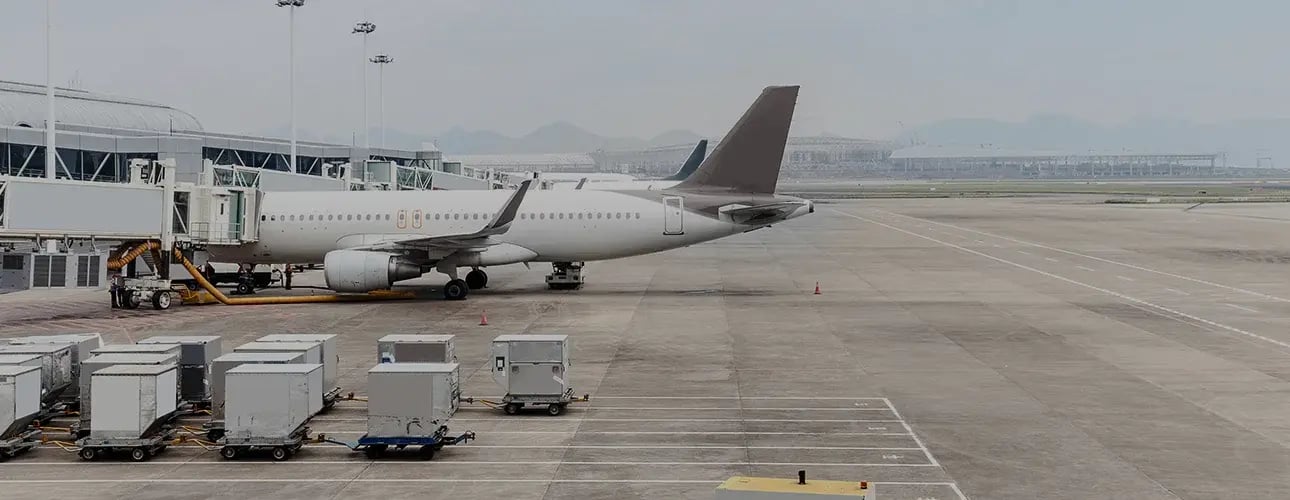
The waiting takes familiar forms: cargo staged on the apron before it re-enters a controlled facility, customs and consolidation holds, handovers between airlines, handlers, forwarders, and road carriers, and storage at transit hubs. EU GDP guidance singles out the last of these and asks distributors to minimize the duration of temporary storage at hubs and intermediate stops. The article Where Temperature Excursions Actually Happen In Pharmaceutical Logistics walks through each failure point in detail.
What GDP, WHO, And USP Ask Of Shippers
Three bodies of guidance shape how pharmaceutical transport is planned, and they share a time-based logic.
- EU Good Distribution Practice guidelines (2013/C 343/01), Chapter 9. Transport planning follows a risk-based approach (9.1). Delivery routes are risk-assessed to decide where temperature controls are required, and a written procedure covers investigating and handling excursions, which are reported to both the distributor and the recipient (9.2). Packaging is selected for the expected external temperature extremes and the maximum estimated transit time, including customs storage, with its qualification status taken into account (9.3).
- WHO Technical Report Series 961, Annex 9. Stability data defines the acceptable excursion time (section 6.2), and routes are profiled and qualified against the ambient conditions expected through the year (section 6.3).
- USP <1079>. The chapter sets out a risk-based approach and mitigation strategies for storing and transporting finished drug products. Its companion chapter <1079.2> covers mean kinetic temperature in excursion evaluation.
Read together, they describe a time budget. The route sets how long a shipment is likely to be exposed and to what temperatures, the stability data sets how much exposure the product tolerates, and the packaging has to cover the difference with margin to spare.
Three Levers That Reduce Excursions
Each preventive measure moves one term in that budget.
Cut The Time A Shipment Spends Exposed
- Assess lane risk before shipping. GDP asks for route risk assessment, and the MHRA inspector gives it a working shape: treat each lane as its own risk profile, score probability, impact, and likelihood of detection, and revisit the assessment after deviations and as temperature data accumulates. The result is a choice of lower-risk lanes and the right protection for the ones that must be used.
- Avoid repackaging across modes. A container that moves by air, road, and ocean without transferring the product removes the exposure that comes with each mode change.
- Qualify handling and partners. Clear handling requirements and capable partners cut the human-error and exposure failures that happen at each touchpoint, and keep time at hubs short, as GDP asks.
Extend The Time The Packaging Can Absorb
- Choose packaging with runtime to spare. GDP ties packaging selection to the maximum estimated transit time, including customs storage. A container sized to the schedule fails the first time the schedule slips, while one sized to the longest plausible delay absorbs it.
- Reduce infrastructure dependence. Protection that travels with the container lowers the risk on lanes where power and cold storage are unreliable.
- Match the container to the lane and the load. Capacity sized to the shipment, with runtime and temperature range matched to the route's expected extremes, keeps protection consistent and avoids shipping empty space.
Shorten The Time To Act
- Monitor in real time and intervene. Live temperature and location data lets a team reroute, expedite, or arrange a handover while a reading is still within range.
- Set alerts that fire. In the MHRA inspector's worked example, misconfigured alarm triggers gave false assurance that stock was in range. Monitoring shortens the response only when the alarm settings match the product's limits.
- Investigate every excursion and feed the findings back. GDP requires a written procedure for investigating excursions. Each investigation also updates the lane's risk profile, so the next shipment starts with better data.
What Runtime Buys In Practice
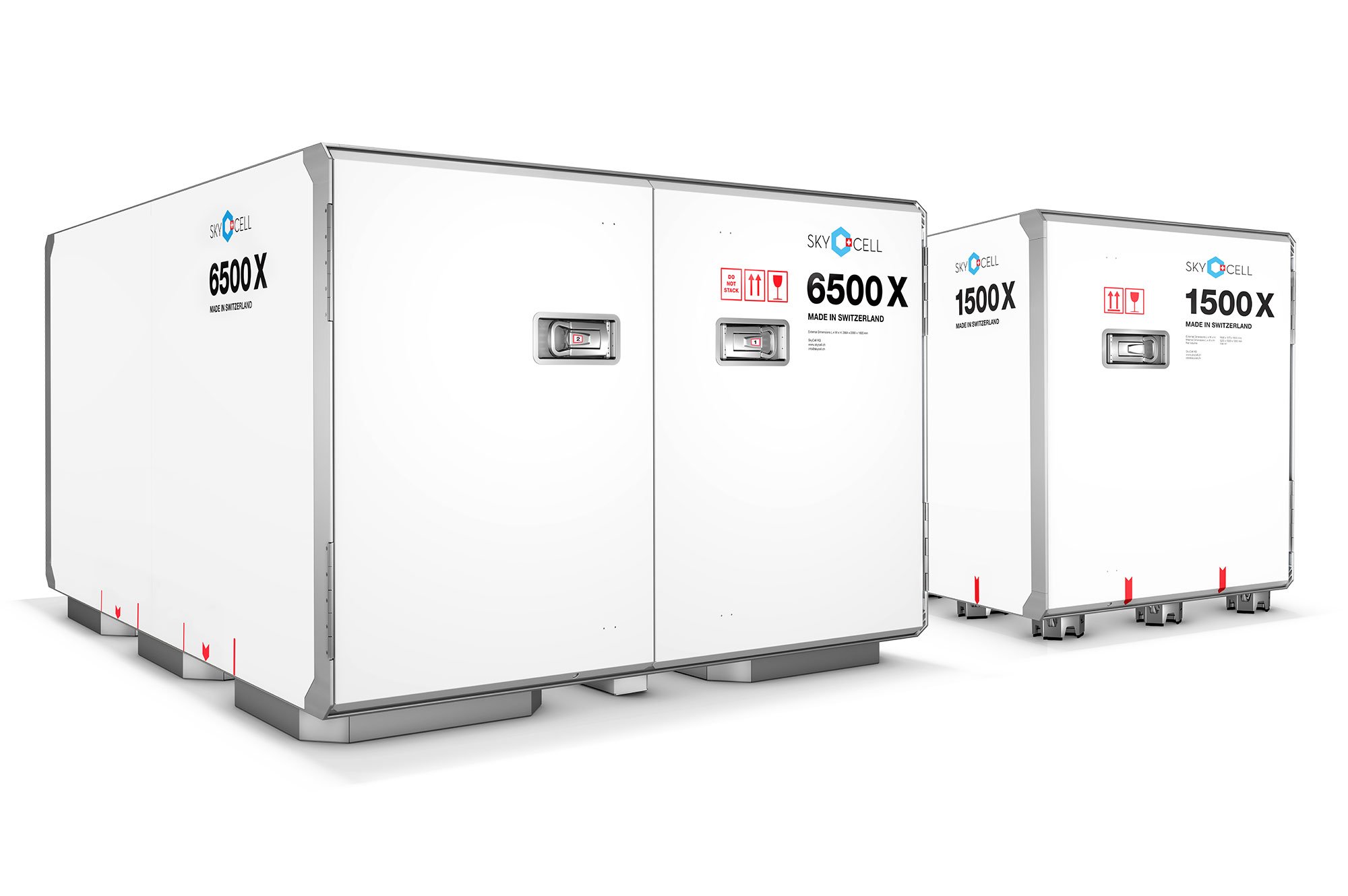
Runtime sets how long a delay can last before it becomes an excursion. SkyCell's 1500X holds its internal temperature for 270 hours at +20°C, about 11 days, and the 6500X for 300 hours, 12.5 days, both without external power. Those figures are quoted at +20°C, so a lane with a hotter apron or a longer expected hold needs the lane-level assessment above to size the margin. In a SkyCell validation shipment from Basel to Cincinnati, a 6500X was deliberately held for seven days at Chicago airport and stayed within 2°C to 8°C for the full 11 days and 4 hours, with no power, cold rooms, or repacking. It is a single planned test run, so treat it as a proof point rather than a promise for every lane.
What An Excursion Costs When It Happens
An excursion starts a chain of obligations. GDP requires it to be reported to the distributor and the recipient and investigated under a written procedure, and WHO guidance calls for product with an unacceptable excursion to be quarantined and its effect evaluated. Replacement product, expedited shipping, and delayed patient supply follow. A prevented excursion avoids all of it, and because route and product data exist before a shipment leaves, most of the prevention can be built in at the planning stage.
How SkyCell Helps Reduce Excursions
SkyCell's containers and software cover all three levers. The specifications below are verified against SkyCell's product pages.
- Long runtime without external power. The 1500X holds temperature for 270 hours at +20°C and the 6500X for 300 hours, both with no power connection, absorbing the waits that lead to excursions.
- Wide external range. The 1500X is rated from -40°C to +70°C and the 6500X from -30°C to +60°C, covering tarmac heat and cold-room extremes.
- A low excursion rate. Across the SkyCell container fleet, an independent assessment puts the excursion rate below 0.05%, and the containers are designed for zero product loss.
- Multimodal without repackaging. The 6500X is designed for land, air, and ocean transport without transferring the product, which removes handover exposure.
- Monitoring and lane risk through Validaide. SkyCell's loggers and containers capture temperature and location for real-time visibility through Validaide, which holds lane risk assessments across 60,000+ lanes digitized and assessed.
SkyCell supports the manufacturers and logistics providers who carry GDP obligations such as packaging qualification and excursion investigation. The obligations stay with them.
What This Means For Pharmaceutical Companies
Reducing excursions is a planning decision. The route sets the exposure, the stability data sets the tolerance, and the packaging and monitoring decide whether the margin between them holds when a flight slips or a customs hold runs long.
Teams that treat the time budget as a design input, and review it after every deviation, lower both the number of excursions and the cost of the ones that remain.
Summary
- A temperature excursion occurs when exposure time outlasts packaging protection, and the acceptable duration comes from the product's stability data.
- Exposure builds where shipments wait. IATA states that over 50% of temperature excursions occur while products are with airlines and airports, and its 2025 presentation puts the airport share at 50%.
- Three levers reduce excursions: cut the time spent exposed (lane risk assessment, fewer mode changes, qualified partners), extend what the packaging can absorb (runtime sized to the longest plausible delay, low infrastructure dependence, a container matched to the lane and load), and shorten the time to act (real-time monitoring, correctly set alerts, investigations that update lane data).
- SkyCell's hybrid containers hold temperature for 270 hours (1500X) and 300 hours (6500X) at +20°C with no external power, carry a fleet excursion rate below 0.05% by independent assessment, and cross modes without repackaging, with monitoring and lane risk assessment through Validaide across 60,000+ lanes.
Sources
- European Commission, Guidelines of 5 November 2013 on Good Distribution Practice of medicinal products for human use (2013/C 343/01), Chapter 9: Transportation.
- World Health Organization, Model guidance for the storage and transport of time- and temperature-sensitive pharmaceutical products, Technical Report Series 961, Annex 9 (2011).
- United States Pharmacopeia, general chapters <1079> Risks and Mitigation Strategies for the Storage and Transportation of Finished Drug Products, and <1079.2> Mean Kinetic Temperature in the Evaluation of Temperature Excursions.
- MHRA Inspectorate blog, A Practical example of applying Quality Risk Management in GDP – Transportation Risks, Terry Madigan, 15 July 2020.
- International Air Transport Association (IATA), Rethinking Supply Chain Control in the Digital Era, 2025 presentation.
- International Air Transport Association (IATA), CEIV Pharma infographic, undated.