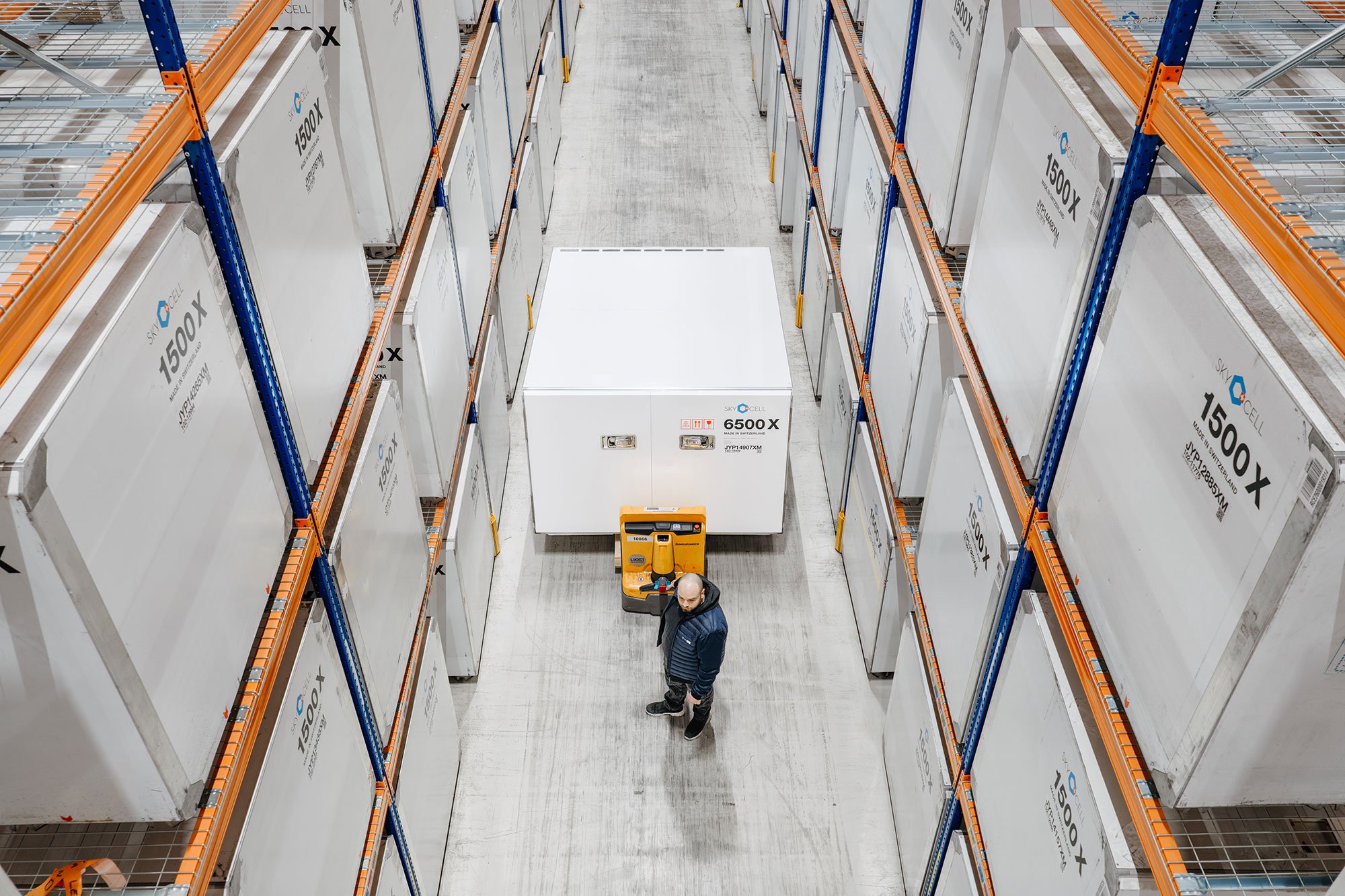
What Makes Multi-Pallet Pharma Shipments More Complex
A multi-pallet shipment concentrates more product, more value, and more risk into a single point of failure than a single-pallet shipment. That concentration changes what needs to be managed:
- More product exposed to any single temperature or handling failure
- Uneven airflow and temperature distribution across a larger load
- Heavier loads with stricter weight and balance requirements
- Ground handling equipment that must match the container's size and weight
- More stakeholders touching a single shipment, from forwarders to ground handlers to customs
Key Challenges in Multi-Pallet Pharmaceutical Shipments
Uneven Temperature Distribution Across the Load
In a multi-pallet container, pallets positioned at the edges of the load can be exposed to different conditions than those in the center, particularly during tarmac waits or ground transfers. Without consistent internal airflow, this creates a risk of hot spots or cold spots that a single monitoring point may not catch.
Weight and Load Balancing
Consolidating multiple pallets raises tare and payload weight considerations. Aircraft, trucks, and ground handling equipment all have weight and balance limits, and a poorly loaded multi-pallet shipment can create handling delays or, in aviation, complicate load planning for the aircraft itself.
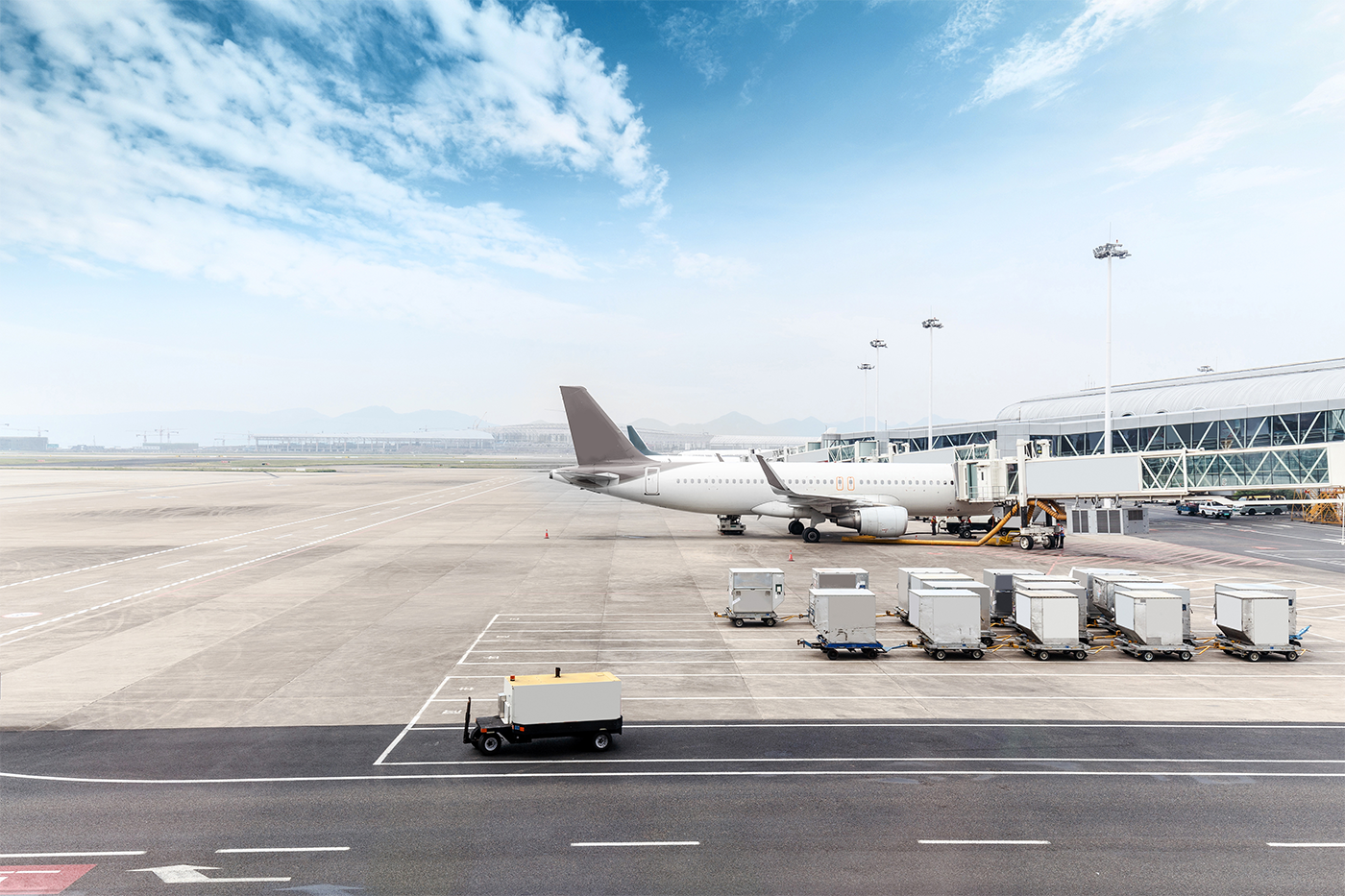
Ground Handling and Equipment Compatibility
Larger multi-pallet containers require different forklifts, dollies, and ramp equipment than single-pallet shipments. Not every station or warehouse is equipped to handle them, which can create bottlenecks at transfer points if equipment compatibility isn't confirmed in advance.
Consolidated Documentation and Customs Complexity
When multiple products or destinations are combined into a single multi-pallet shipment, customs documentation becomes more complex. Errors or mismatches in consolidated paperwork can delay an entire shipment, affecting every pallet inside it rather than just one.
Best Practices for Managing Multi-Pallet Pharmaceutical Shipments
Match Container Capacity to Shipment Volume
Not every shipment needs the same amount of capacity. Rather than defaulting to the largest available container, pharmaceutical companies can pair container sizes to the shipment, for example combining a multi-pallet container with a smaller single-pallet unit, so capacity matches actual product volume instead of sitting half-empty or overloading a smaller unit.
Standardize Palletization and Packaging
Consistent pallet dimensions and packaging formats make a multi-pallet shipment easier to load efficiently and easier to predict in transit. Standardization also reduces gaps in the load that can affect airflow and temperature stability.
Monitor at the Container Level, Not Just the Pallet
Real-time monitoring across the full container, rather than a single logger on one pallet, gives visibility into temperature and location for the entire multi-pallet load. This makes it possible to catch a developing issue before it affects every pallet inside the shipment.
Confirm Ground Handling Requirements Before the Shipment Moves
Multi-pallet containers should be checked against the ground handling equipment available at every stop on the route, not just the origin. Confirming this in advance reduces the chance of delays caused by a station that isn't equipped to handle the container's size or weight.
How SkyCell Supports Multi-Pallet Pharmaceutical Shipments
SkyCell's 6500X is a hybrid, multi-pallet container built for exactly this kind of shipment. It holds five EU pallets or four US pallets in a single unit, backed by 300 hours of independent runtime and real-time monitoring across the full load through Validaide.
- Payload capacity of 5 EU pallets or 4 US pallets in one container
- 300 hours of independent runtime at +20°C
- Tare weight of 877 kg, among the lowest in its class, easing handling and loading
- Real-time monitoring and reporting through Validaide
- A reusable, non-dangerous goods (non-DG) design compatible with air, road, and ocean transport
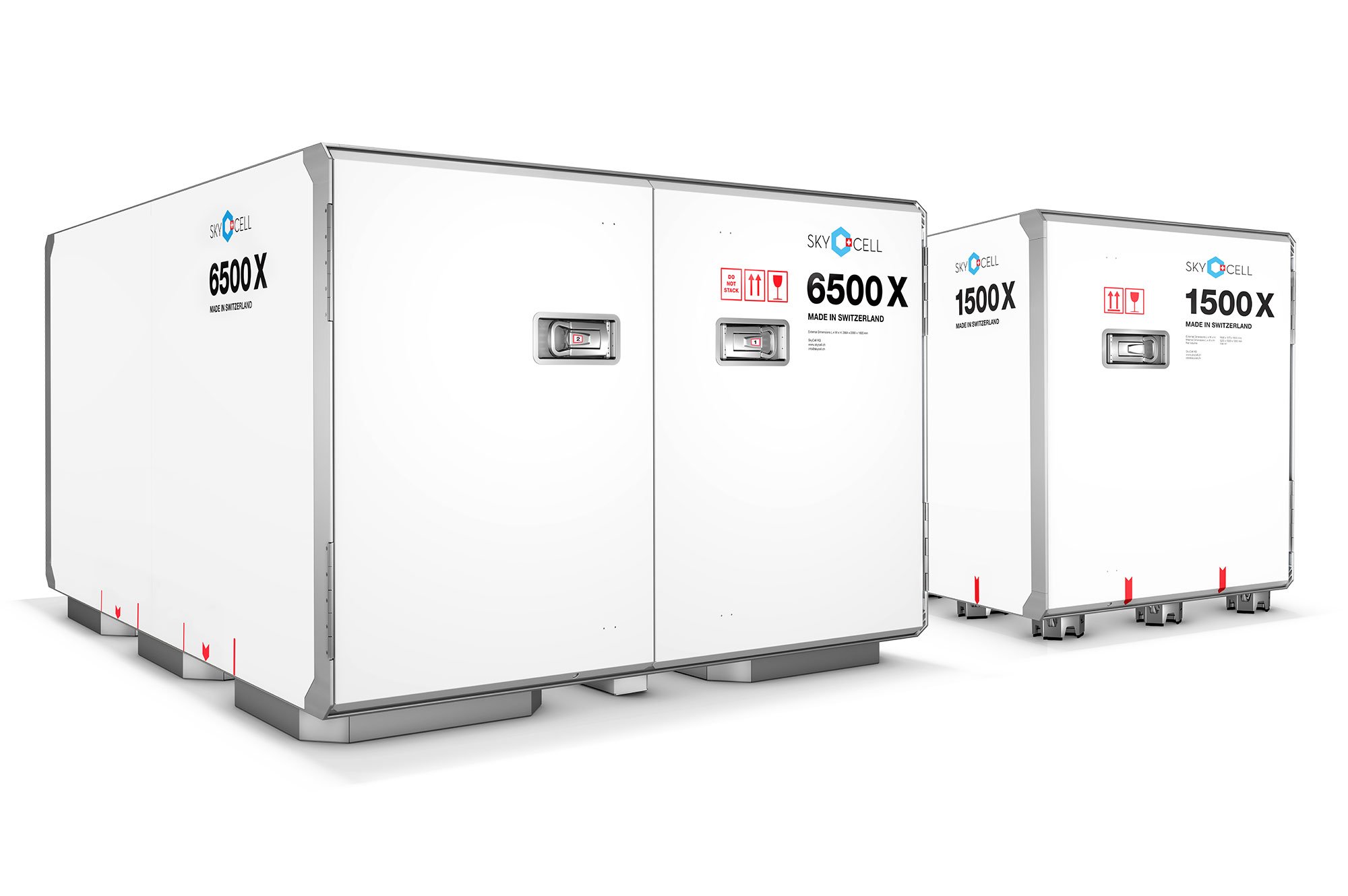
The 6500X is also designed to work alongside SkyCell's smaller 1500X container. Combining the two lets pharmaceutical companies match container capacity to actual shipment volume rather than defaulting to one size, helping optimize load planning and reduce unused capacity across a multi-pallet shipment.
What This Means for Pharmaceutical Companies
Multi-pallet shipments are not simply single-pallet shipments scaled up. They carry different risks around temperature distribution, weight balance, ground handling, and documentation, and they require different practices to manage.
Matching container capacity to shipment volume, standardizing palletization, monitoring at the container level, and confirming ground handling in advance all reduce the operational risk that comes with moving more product in a single shipment.
Summary
- Multi-pallet pharmaceutical shipments concentrate more product, value, and risk into a single point of failure than single-pallet shipments.
- Key challenges include uneven temperature distribution, weight and load balancing, ground handling equipment compatibility, and consolidated customs documentation.
- Best practices include matching container capacity to shipment volume, standardizing palletization, monitoring at the container level, and confirming ground handling requirements in advance.
- SkyCell's 6500X holds 5 EU or 4 US pallets, with 300 hours of independent runtime, a tare weight of 877 kg, and real-time visibility through Validaide.
- Pairing the 6500X with SkyCell's smaller 1500X lets companies match capacity to shipment volume rather than defaulting to one container size.