What A Temperature Excursion Is
A temperature excursion is any period when a shipment moves outside its approved temperature range. Even a short breach can reduce a drug's potency or make it unusable, so prevention focuses on keeping the product in range for the entire journey, including the parts no one plans for.
How Excursions Are Prevented Before Shipping
Much of prevention happens before a shipment moves, in how the packaging is prepared and chosen.
- Precondition the packaging. Cooling or conditioning the container and its components to the right temperature before loading gives the shipment a stable starting point.
- Choose the right container. Matching the container's temperature range and hold time to the product and the lane is the foundation of prevention.
- Build in runtime margin. Selecting packaging that holds temperature well beyond the planned transit time absorbs delays before they become excursions.
- Pack correctly. Loading to the container's validated configuration, without overloading or leaving gaps, keeps the packaging performing as designed.

How Excursions Are Prevented In Transit
Once a shipment is moving, prevention shifts to visibility and response.
- Monitor in real time. Loggers and connected containers record temperature and location continuously, so a developing problem is visible early.
- Intervene while recoverable. Real-time alerts let teams reroute, re-ice, or expedite a shipment before a drift becomes a breach.
- Manage dwell and handoffs. Reducing time on tarmacs and coordinating transfers limits the windows where temperature control slips.
- Plan for the lane. Assessing a route's climate, dwell points, and infrastructure beforehand prepares the shipment for its hardest stretches.
Why Prevention Beats Detection
Finding an excursion after arrival only confirms a loss, so the goal is to stop the breach from happening at all.
Prevention costs far less than a spoiled shipment, which carries the wasted product, the replacement, the delay to patients, and the compliance work that follows. A prevented excursion avoids all of it.
How SkyCell Helps Prevent Excursions
SkyCell's containers and software are built to keep shipments in range and catch problems early. The claims below are drawn from SkyCell's published data.
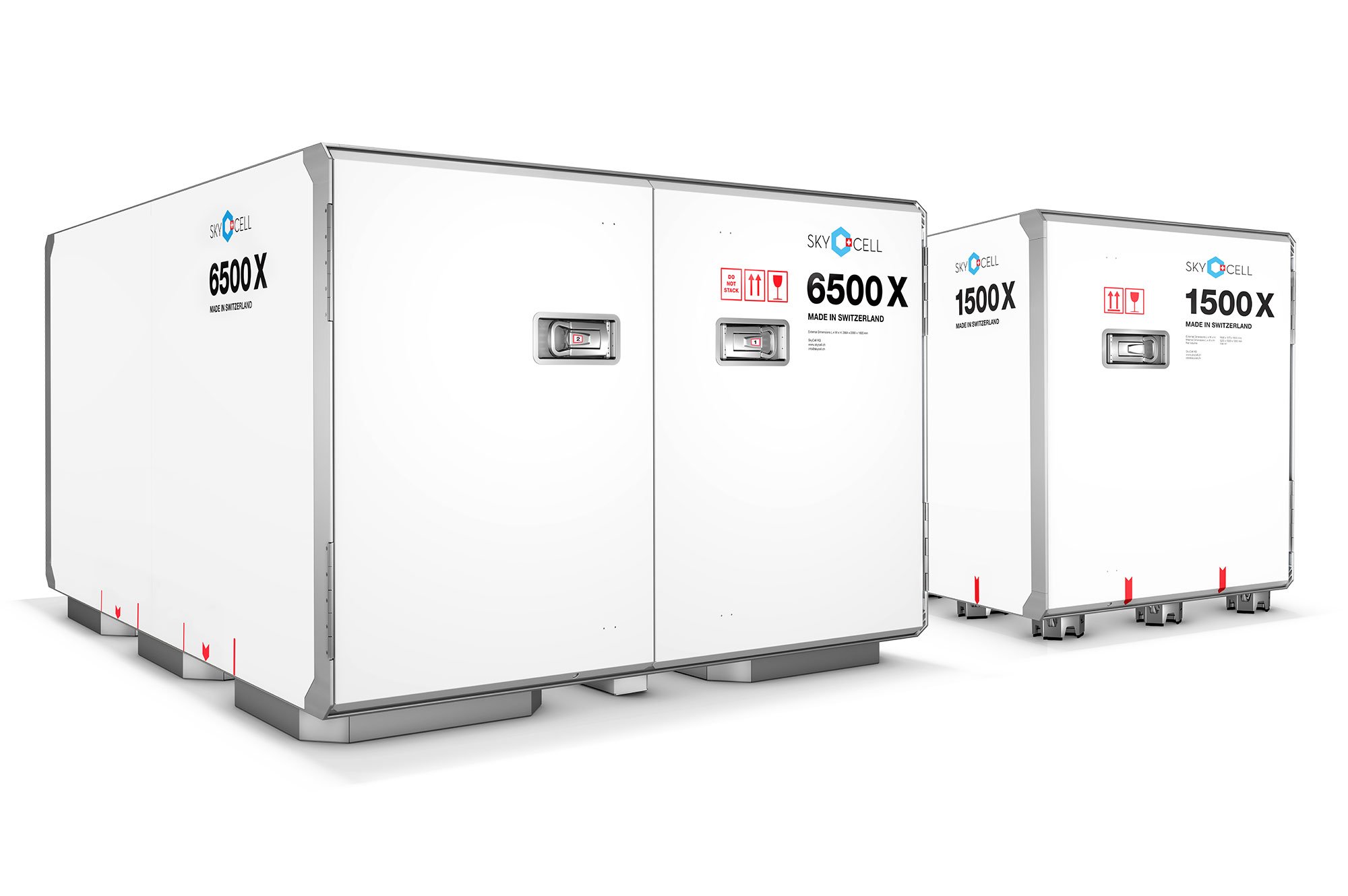
- Long hold times for delay margin. SkyCell's hybrid containers hold temperature without external power, with the 1500X rated for 270 hours at +20°C and the 6500X for 300 hours, so ordinary delays do not become excursions.
- Stable performance without power. Holding temperature in transit without a battery or plug removes the risk of a depleted battery or missed recharge ending protection mid-journey.
- A proven excursion record. SkyCell's containers have an independently assessed temperature excursion rate below 0.05%, and are designed for zero product loss.
- Real-time visibility and planning. SkyCell's loggers and containers capture temperature and location, and Validaide adds real-time monitoring and lane risk assessment, so problems can be caught early and lanes planned in advance.
What This Means For Pharmaceutical Companies
Preventing excursions during shipping is mostly about margin and visibility: enough runtime to outlast the journey's delays, and enough data to act before a drift becomes a breach.
On the demanding lanes where most excursions happen, the shipments that stay in range are the ones prepared for the delays and handoffs in advance, so prevention is built into the plan before the product moves.
Summary
- Pharma companies prevent temperature excursions during shipping by controlling conditions before departure and staying able to act in transit.
- Before shipping, prevention comes from preconditioning the packaging, choosing the right container, building in runtime margin, and packing to the validated configuration.
- In transit, prevention comes from real-time monitoring, intervening while a shipment is still recoverable, managing dwell and handoffs, and planning for the lane.
- Prevention is far cheaper than detection, because a spoiled shipment carries the wasted product, the replacement, patient delay, and compliance work.
- SkyCell helps with long-hold hybrid containers (270 hours at +20°C on the 1500X, 300 hours on the 6500X), stable performance without external power, an independently assessed excursion rate below 0.05%, and real-time visibility and lane planning through Validaide.