Why Cold Chain Infrastructure Is So Costly
The cost of a pharmaceutical cold chain is spread across equipment, facilities, energy, and the standby capacity kept in reserve. The main components add up quickly.
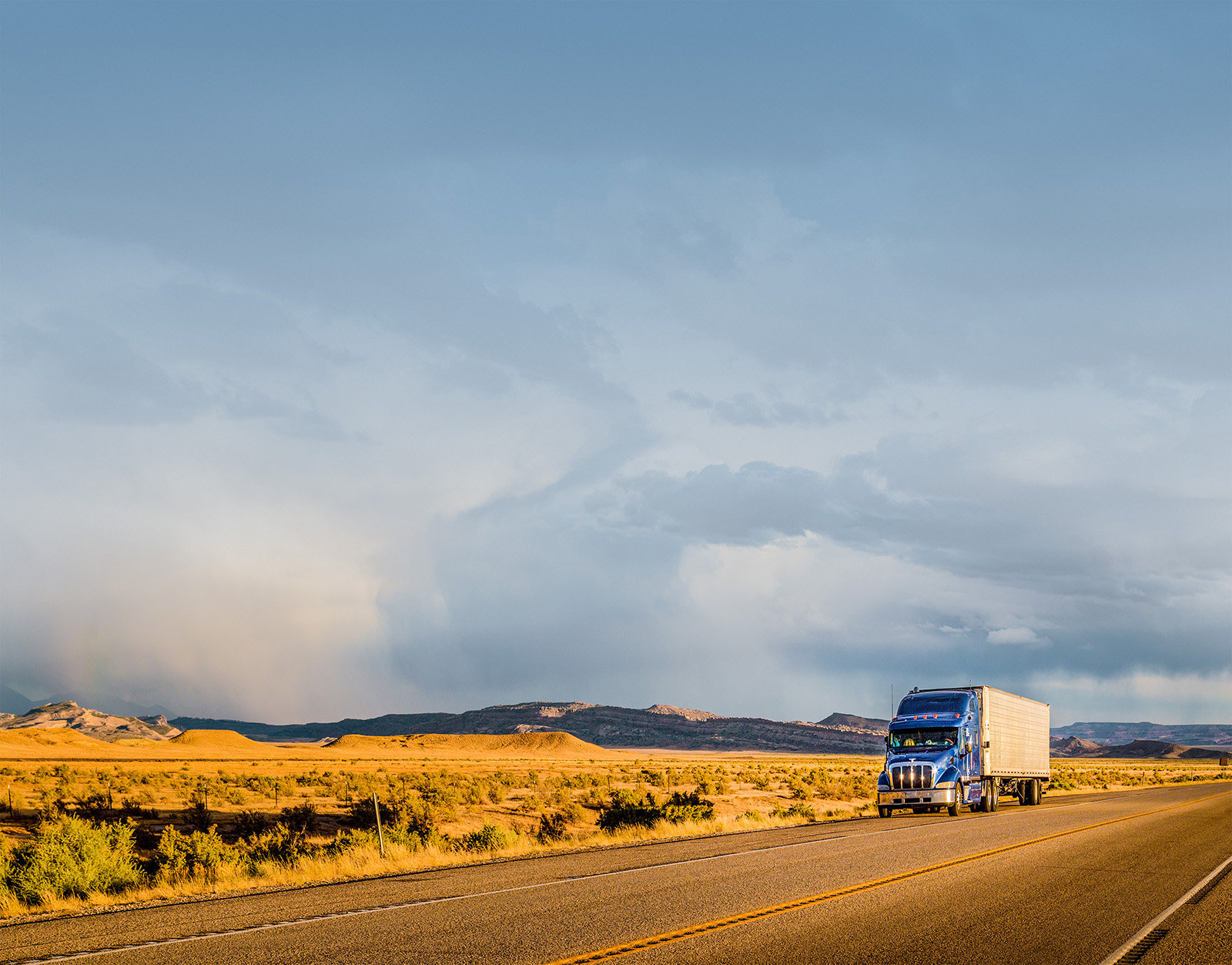
- Dedicated refrigerated transport. Reefer trucks and temperature-controlled vehicles on multiple legs of the journey, often running below full capacity.
- Temperature-controlled storage. Cold rooms and refrigerated warehousing at origin, destination, and points in between, all consuming energy around the clock.
- Backup and redundant refrigeration. Standby systems held in reserve in case a primary system fails, paid for whether or not they are ever used.
- Energy to run it all. Continuous power for cold storage, refrigerated transport, and airport handling is a large and rising operating cost.
- Emergency and expedited logistics. Contingency shipments, rerouting, and last-minute cold storage booked at premium rates when something goes wrong.
- Qualification and maintenance. Facilities and equipment have to be qualified, monitored, and maintained to stay compliant, which carries its own ongoing cost.
Uncertainty Is What Drives Over-Investment
Much of this infrastructure exists to absorb risk. When a company cannot be sure a lane will hold temperature, it adds a backup plan, a standby reefer, and a contingency route, and it pays for them continuously to cover an event that may rarely happen.
The less confidence a company has in the resilience of a shipment, the more surrounding infrastructure it deploys. That creates a direct link between operational uncertainty and cost. Lowering the uncertainty is therefore one of the most effective ways to lower the infrastructure bill.
.jpg?width=1600&height=1068&name=SkyCell%20Forwarder%20Certificate%20-%20iStock-689826542%20(1).jpg)
How To Reduce Cold Chain Infrastructure Costs
Reducing infrastructure cost works best by making each shipment more self-sufficient, so the network needs less around it. Several levers do this without adding risk.
- Use packaging that protects on its own. Containers that hold temperature for days without external power reduce the need for reefer transport, cold storage, and backup refrigeration at every step.
- Right-size capacity to the shipment. Matching container size to the actual volume avoids paying to move and protect empty space.
- Shift from owning to reusable, leased equipment. A reusable leasing model keeps containers in long-term circulation and turns a large fixed investment in owned or single-use packaging into a cost that tracks actual use.
- Cut redundancy by increasing resilience. When a container can ride out a delay on its own, the standby systems and contingency capacity kept to cover that delay become less necessary.
- Optimize lanes and consolidate with data. Planning routes on lane data and combining shipments reduces the number of temperature-controlled movements and the infrastructure each one requires.
- Reduce emergency spend with monitoring. Real-time visibility and early intervention cut the expensive last-minute reshipments and expedited handling that follow a problem caught too late.
- Lower the cost of returns. Returning empty containers by ocean freight instead of air removes a large and often overlooked reverse-logistics cost.
How SkyCell And Validaide Reduce Infrastructure Costs
SkyCell combines self-sufficient hybrid containers with a reusable model and the software to plan around them, which reduces the infrastructure a cold chain has to carry.
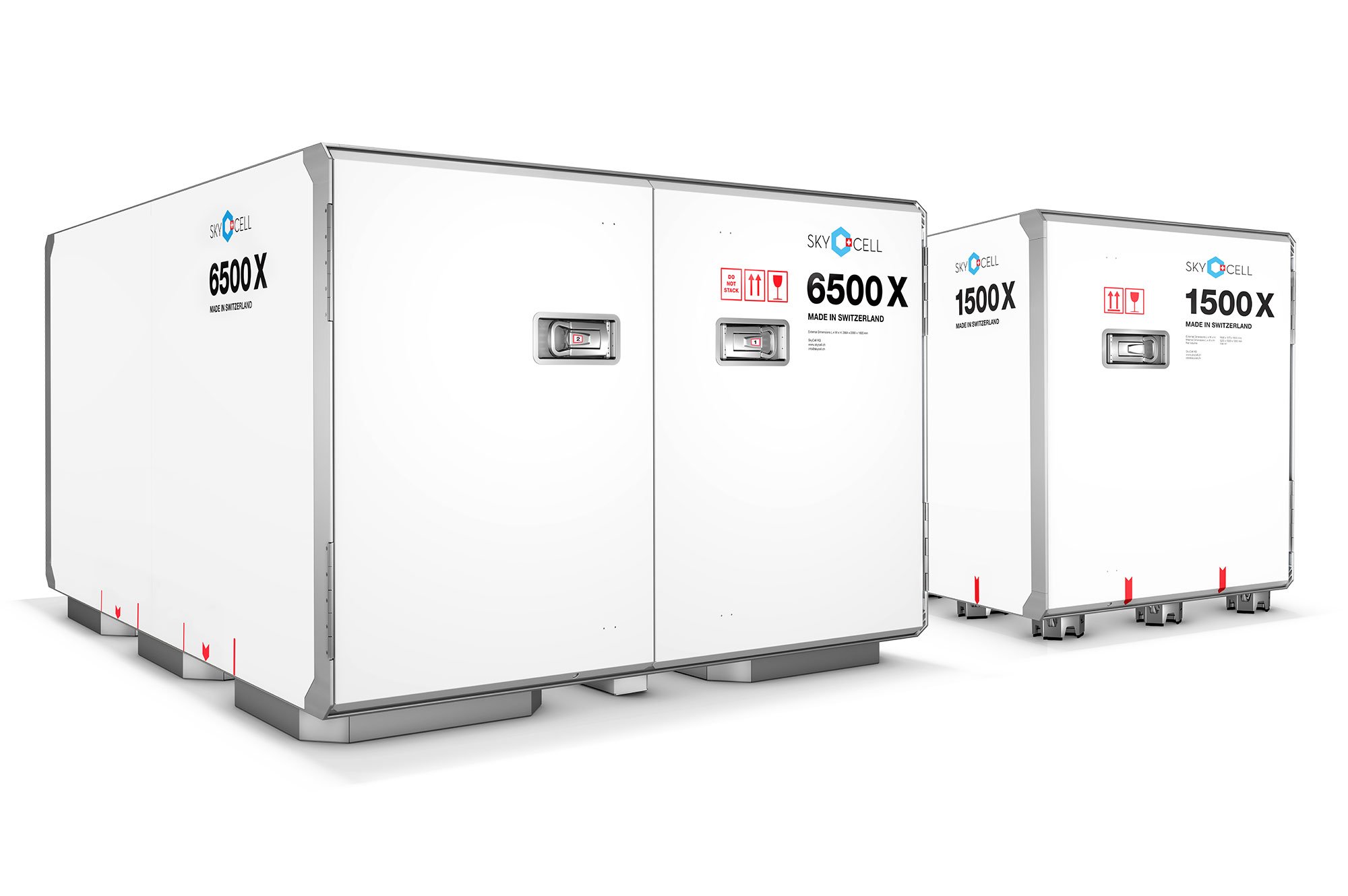
- Infrastructure-independent protection. SkyCell's hybrid containers hold temperature without external power for long periods, 270 hours at +20°C on the 1500X and 300 hours on the 6500X, which reduces reliance on airport plugs, reefer trucks, cold storage, and backup refrigeration.
- A reusable leasing model. SkyCell containers are leased and reused across many shipments, keeping them in long-term operational use and turning packaging from a fixed asset to buy and maintain into a cost that tracks actual shipping.
- Right-sizing with the Perfect Duo. The 6500X pairs with the smaller 1500X so shippers can match capacity to each shipment, avoiding the cost of moving empty space.
- Lower reverse-logistics cost with Net ZERO Reverse. SkyCell's Net ZERO Reverse uses a one-way lease and returns empty containers by ocean freight instead of air, which reduces both the cost and the emissions of returns.
- Fewer emergencies through monitoring. SkyCell's loggers and containers capture temperature and location, and Validaide aggregates that data into real-time visibility, so teams can intervene early and avoid expedited reshipment costs.
- Efficient routing through Validaide. Validaide standardizes lane risk assessment across more than 60,000 lanes, and SkyCell monitors shipments across more than 250 airports, which supports planning efficient routes with less contingency.
What This Means For Pharmaceutical Companies
Infrastructure cost is largely a function of how much uncertainty the network has to absorb. Every backup system and standby reefer is insurance against a shipment that cannot protect itself.
Making each shipment more self-sufficient lets a company carry less infrastructure without carrying more risk. Cost and resilience improve together, because the same self-sufficiency that lowers the bill is what keeps the product safe when a delay hits.
Summary
- Cold chain infrastructure cost comes from dedicated refrigerated transport, temperature-controlled storage, backup and redundant refrigeration, energy, emergency logistics, and the qualification and maintenance of facilities.
- Much of this spend exists to absorb uncertainty, so lowering the uncertainty in each shipment is one of the most effective ways to lower the infrastructure bill.
- Infrastructure costs are reduced by using packaging that protects on its own, right-sizing capacity, shifting from owned or single-use to reusable leased equipment, cutting redundancy through resilience, optimizing and consolidating lanes with data, reducing emergency spend with monitoring, and returning containers by ocean instead of air.
- SkyCell reduces infrastructure cost with hybrid containers that hold temperature without external power (1500X 270 hours, 6500X 300 hours at +20°C), a reusable leasing model, right-sizing through the Perfect Duo, Net ZERO Reverse ocean returns, real-time monitoring through Validaide, and lane optimization across more than 60,000 lanes and 250+ airports.
- SkyCell pricing is agreed per client, so the actual saving depends on a company's lanes, volumes, and current infrastructure.