The Short Answer
A single-use box is manufactured, used once, and discarded, so its full footprint falls on one shipment. A reusable container has a higher upfront footprint to build, but that footprint is divided across every trip it makes, and it produces no packaging waste at the end of each journey. After enough reuses, the footprint per shipment of a reusable container falls well below that of single-use packaging.
How Single-Use Packaging Affects Sustainability
Single-use packaging is simple and needs no return journey, but its environmental cost repeats on every shipment.
- Waste on every leg. Foam boxes, insulation, and gel packs are discarded after a single use, creating waste at each shipment.
- Dry ice and coolant impact. Many single-use systems rely on dry ice or coolants that carry their own carbon and handling burden.
- No return footprint. Single-use packaging does not need to be shipped back, which removes reverse-logistics emissions, one area where it can compare favorably.
How Reusable Containers Affect Sustainability
Reusable containers move the environmental cost from repeated waste to a single durable asset that has to be returned and maintained.
- Footprint spread across many uses. The materials and energy that go into building a reusable container are amortized over every shipment it makes.
- No per-shipment packaging waste. A reusable container is not discarded after use, which removes the waste stream single-use packaging creates.
- A return journey to manage. Empty containers have to travel back, and if that return is by air it can erode the sustainability advantage, which is why the return mode matters.
- Better protection lowers loss. Durable, high-performing reusable containers tend to reduce excursions, avoiding the large footprint of spoiled product and replacements.
What Determines Which Is More Sustainable
The comparison is not automatic. A few factors decide how large the reusable advantage is on a given program.
- Reuse rate. The more times a container is reused, the lower its footprint per shipment, so high-cycle programs favor reusables most.
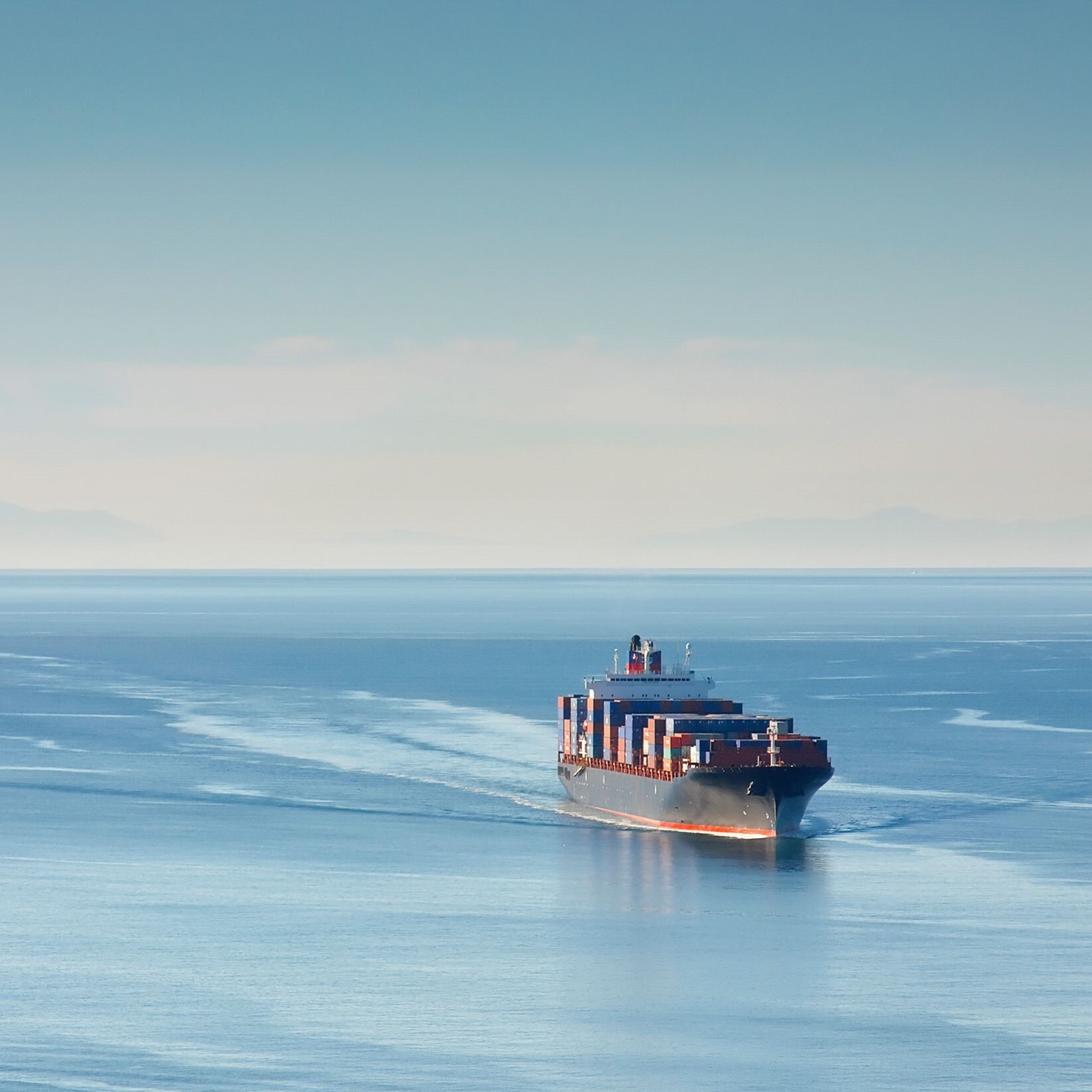
- Return logistics. Returning empty containers efficiently, ideally by ocean freight, protects the sustainability gain.
- Product loss rate. A container that prevents more excursions avoids more wasted-product emissions, which often outweighs the packaging footprint entirely.
- Payload efficiency. Right-sized, lower-weight containers move less material for the same product, improving the footprint per dose.
How SkyCell's Reusable Model Works
SkyCell's containers are built to make the reusable advantage hold up in practice. The claims below are drawn from SkyCell's published data.
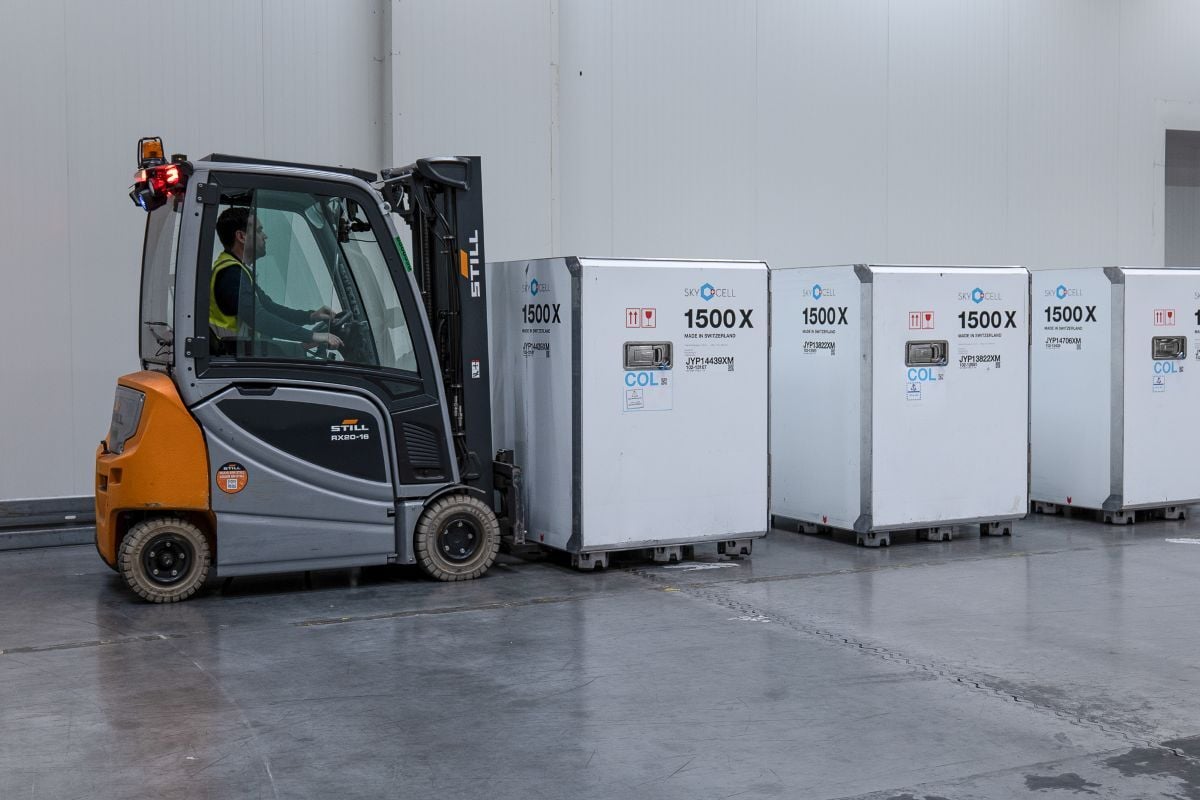
- Reusable, leased, and kept in circulation. SkyCell's hybrid containers are leased and reused across many shipments, spreading their footprint widely and removing single-use packaging waste.
- Lower emissions than traditional solutions. SkyCell reports up to 54% lower emissions compared with similarly sized active containers, supported by lower infrastructure dependency and higher payload efficiency.
- Returns handled by ocean, not air. SkyCell offers a program to return empty containers by ocean freight instead of air, cutting reverse-logistics emissions by more than 90% and protecting the sustainability gain that reuse creates.
- Fewer losses. A design for zero product loss, with an independently assessed excursion rate below 0.05%, avoids the emissions of spoiled shipments and replacements.
What This Means For Pharmaceutical Companies
For most pharmaceutical programs, especially high-volume or repeated lanes, reusable containers are the more sustainable choice over their lifecycle. The advantage grows with the reuse rate and depends on returning empty containers efficiently.
The strongest sustainability case comes from a reusable container that also prevents product loss and travels back by low-carbon transport, because it removes waste, wasted product, and return emissions together.
Summary
- Over their lifecycle, reusable pharmaceutical containers are usually more sustainable than single-use packaging, because their footprint is spread across many shipments and they remove per-shipment waste.
- Single-use packaging creates waste on every leg and often relies on dry ice, though it avoids a return journey.
- Reusable containers amortize their footprint across many uses and produce no per-shipment waste, but they require an efficient return, ideally by low-carbon ocean freight.
- The size of the reusable advantage depends on the reuse rate, return logistics, product loss rate, and payload efficiency.
- SkyCell's reusable hybrid containers report up to 54% lower emissions compared with similarly sized active containers, return empties by ocean through OceanReverse (more than 90% lower reverse-logistics emissions), and are designed for zero product loss (1500X excursion rate below 0.05%).