Why Mode Switches Traditionally Require Repackaging
Air, road, and ocean transport have historically used different container standards, each built around the equipment and regulations of a single mode:
-
Air cargo containers (ULDs) are sized and certified for aircraft, not ocean vessels or standard trucks
-
Ocean freight uses standardized sea containers with their own dimensions and handling equipment
-
Road transport often relies on pallet formats that do not match either air or ocean standards
-
Each mode has its own regulatory and handling requirements, which packaging is typically built to satisfy one at a time
Because no single container was built to satisfy all three, switching modes has usually meant transferring product into new packaging at every transition.

The Risks of Repackaging During a Mode Transition
Repackaging is not a neutral step. Every time product moves between containers, it introduces risk:
- Temperature exposure while product is outside any active protection, however briefly
-
Handling damage from additional lifting, transferring, and repositioning
-
Delay at the transfer point while repackaging takes place
-
Added cost for the labor, equipment, and time repackaging requires
-
Compliance and documentation complexity when product changes containers mid-shipment
For temperature-sensitive pharmaceutical products, these risks compound. A shipment that changes modes two or three times can accumulate several repackaging events before it reaches its destination.
What It Takes to Switch Modes Without Repackaging
A Container Built for Multiple Modes From the Start
Avoiding repackaging starts with a container designed for air, road, and ocean transport from the outset, rather than one mode with adapters for the others.
External Dimensions Compatible With Ocean Freight Standards
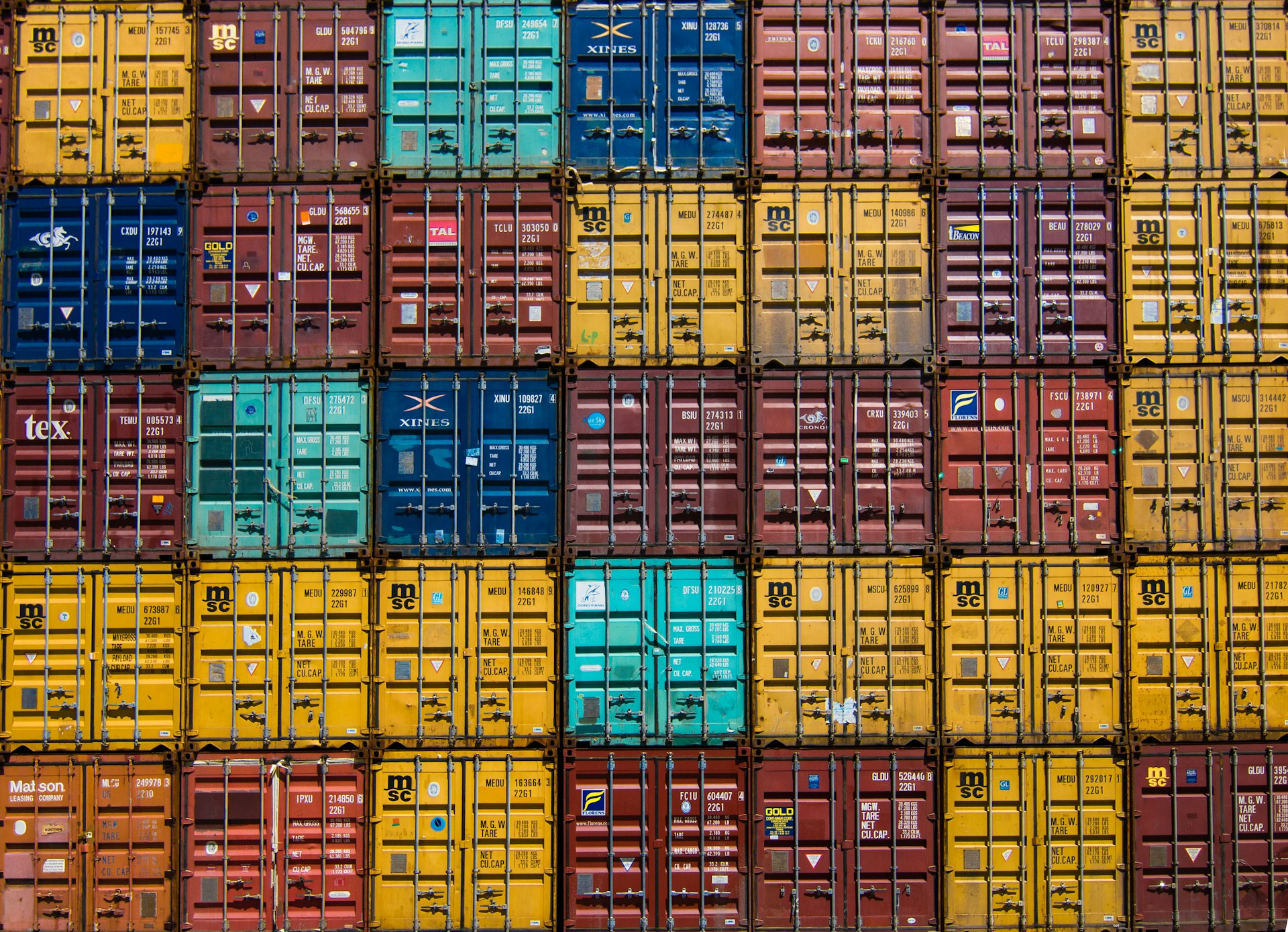
A container that matches standard sea freight container dimensions can move directly into ocean transport without being unloaded and repacked into a different unit.
Continuous Monitoring Through the Transition
When temperature and location monitoring travels with the container rather than being tied to a single mode's infrastructure, a shipment keeps the same visibility before, during, and after a mode switch.
Ground Handling Equipment That Works Across Modes
A container still needs to be liftable and transferable by the equipment available at each transition point. Confirming this in advance avoids a bottleneck at the switch itself, even when the container is otherwise multimodal by design.
How SkyCell Supports Mode Switches Without Repackaging
SkyCell's 6500X is designed for true multimodal transport, letting pharmaceutical companies move a shipment between air, road, and ocean without transferring product into different packaging at each leg.
-
Designed for multimodal transport across air, road, and ocean
-
Compatible with standard sea freight containers
-
Real-time monitoring and location visibility through Validaide, maintained across every leg and mode switch
-
Autonomous operation with 300 hours of independent runtime, independent from mode-specific infrastructure
-
A reusable, non-dangerous goods (non-DG) design
Because the product stays in the same container from origin to destination, a mode switch becomes a handoff rather than a repackaging event.
What This Means for Pharmaceutical Companies
Repackaging at every mode switch has long been treated as unavoidable, simply the cost of moving between air, road, and ocean. It is not unavoidable. It is a consequence of packaging built around a single mode.

A container designed for multiple modes from the start removes the need to repackage at each transition, reducing handling, delay, and the number of points where something can go wrong.
Summary
-
Traditional transport packaging is built around a single mode, which is why switching between air, road, and ocean has typically required repackaging.
-
Repackaging introduces temperature exposure, handling damage, delay, added cost, and documentation complexity at every mode transition.
-
Avoiding repackaging requires a container built for multiple modes from the start, with dimensions compatible across those modes and monitoring that travels with the shipment.
-
SkyCell's 6500X is designed for multimodal transport across air, road, and ocean and is compatible with standard sea freight containers.
- Real-time visibility through Validaide and 300 hours of independent runtime let the 6500X maintain protection through a mode switch without repackaging.