Where Temperature Excursions Actually Happen
Excursions in air freight cluster around a few predictable points, and a container earns its place by holding through them.
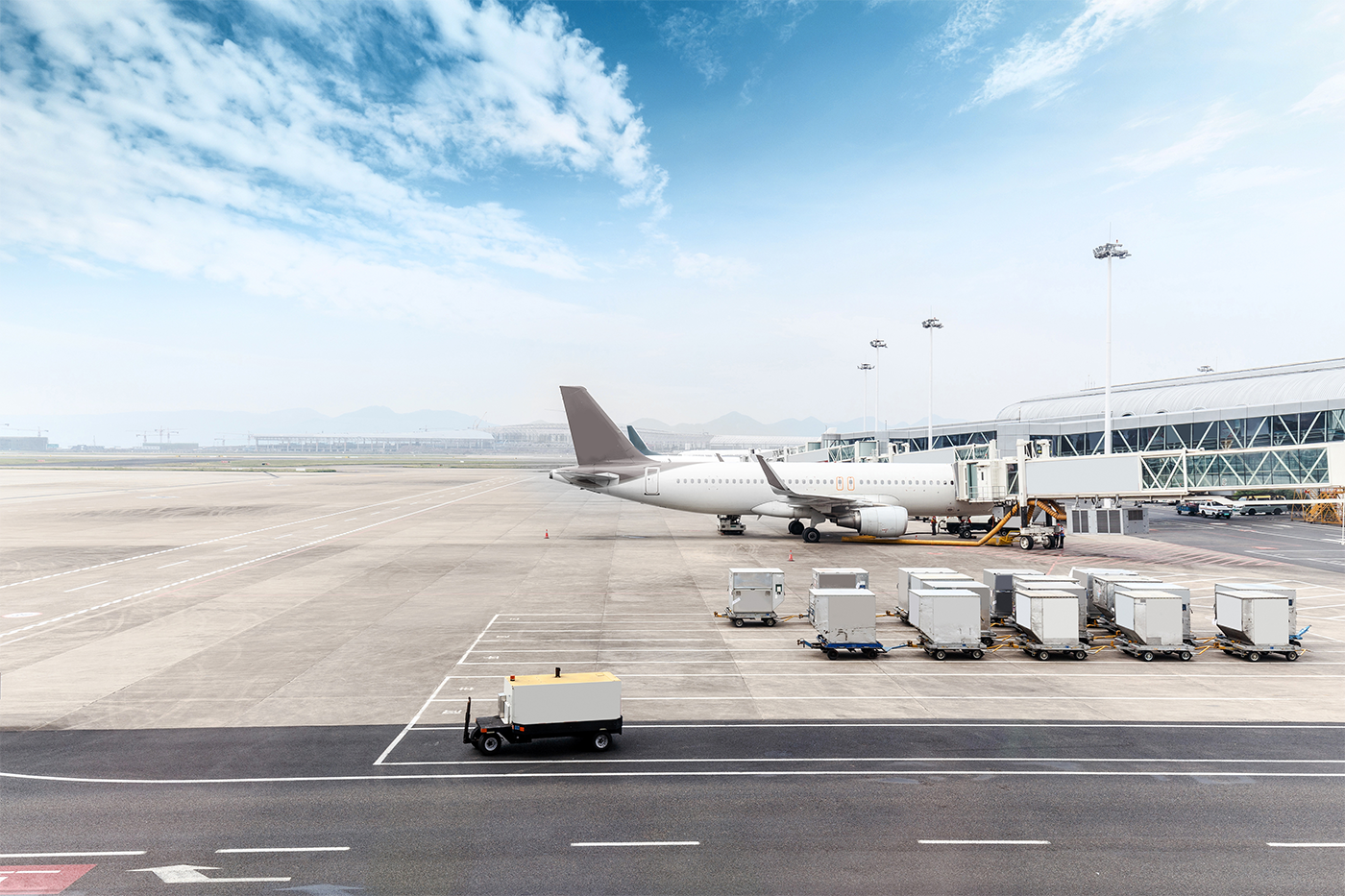
- On the tarmac: Containers sit in direct heat or cold while waiting to load or unload, often for hours.
- During delays and dwell: Missed connections, customs holds, and consolidation add unplanned hours with no guarantee of power.
- At mode changes: Moving a product between containers to switch from air to road or ocean exposes it to ambient conditions and adds handling.
- During handling: Every opening, transfer, and inspection is a chance for a brief exposure that adds up.
The Criteria That Minimize Excursions
The features that keep a product in range through those points are the ones worth weighing most heavily.
- Long independent runtime without external power. The single biggest protection against delay is a container that holds its temperature for days without needing a plug or a recharge.
- A wide external temperature range. A container rated for both tarmac heat and cold-room extremes holds up across the conditions a global route presents.
- No repackaging across modes. A container that travels by air, road, and ocean without transferring the product removes the exposure that comes with every mode change.
- Real-time monitoring and intervention. Live temperature and location data lets a team catch a developing excursion while there is still time to act.
- A proven excursion record. An independently assessed excursion rate is stronger evidence than a design claim, because it reflects real shipments.
- Right-sizing to the shipment. A container matched to the load holds temperature more consistently than one shipped half empty.
How the Container Types Compare
Passive containers use insulation and phase change material (PCM) with no power; active containers use battery-powered cooling to a set point; and hybrid containers combine both to hold temperature for long periods without external power. Measured against the criteria above, each behaves differently. The table compares common systems on the features that most affect excursions. Figures are as published by each manufacturer and should be confirmed against current data sheets.
| System |
Type |
Hold without external power |
Real-time monitoring |
Excursion-relevant note |
| SkyCell 1500X |
Hybrid |
270 h at +20°C |
Yes, via Validaide |
Audited excursion rate below 0.05%; external -40 to +70°C |
| SkyCell 6500X |
Hybrid |
300 h at +20°C |
Yes, via Validaide |
Multimodal, no repackaging; external -30 to +60°C |
| Envirotainer Releye |
Active (battery) |
170 h battery runtime |
Yes (connected) |
Set point +4 to +30°C; depends on charge and power access (verify) |
| CSafe RAP |
Active (battery) |
120 h battery runtime |
Yes (connected) |
Maintains payload in ambient -30 to +54°C |
| Envirotainer ProofTainer |
Passive (PCM) |
Over 120 h |
Optional add-on |
Fixed hold once preconditioned; no power needed |
| Sonoco ThermoSafe Pegasus ULD |
Passive |
Up to 300 h |
Integrated temperature and geolocation |
Passive; lightweight composite unit load device |
The hold-time figures compare different mechanisms, so read each alongside its type: a passive figure assumes preconditioning, an active figure depends on battery charge and recharging access, and a hybrid figure is held with no external power at all.
What Stands Out for Minimizing Excursions
Each type has a real strength. Passive containers are simple and need no power, which suits short, predictable lanes. Active containers give precise set-point control across a wide range, which suits shipments where power and recharging are available. Hybrid containers hold temperature the longest without any external power, which is the feature that matters most when delays and infrastructure gaps are the main threat.
For minimizing excursions on long, multimodal, or infrastructure-light lanes, the combination of long power-free runtime, a wide external range, no repackaging, and a proven excursion record is what does the work, and that combination is where hybrid containers lead.
How SkyCell Minimizes Excursions
SkyCell's hybrid containers are built around the criteria that keep a product in range. The specifications below are verified from SkyCell's product data.
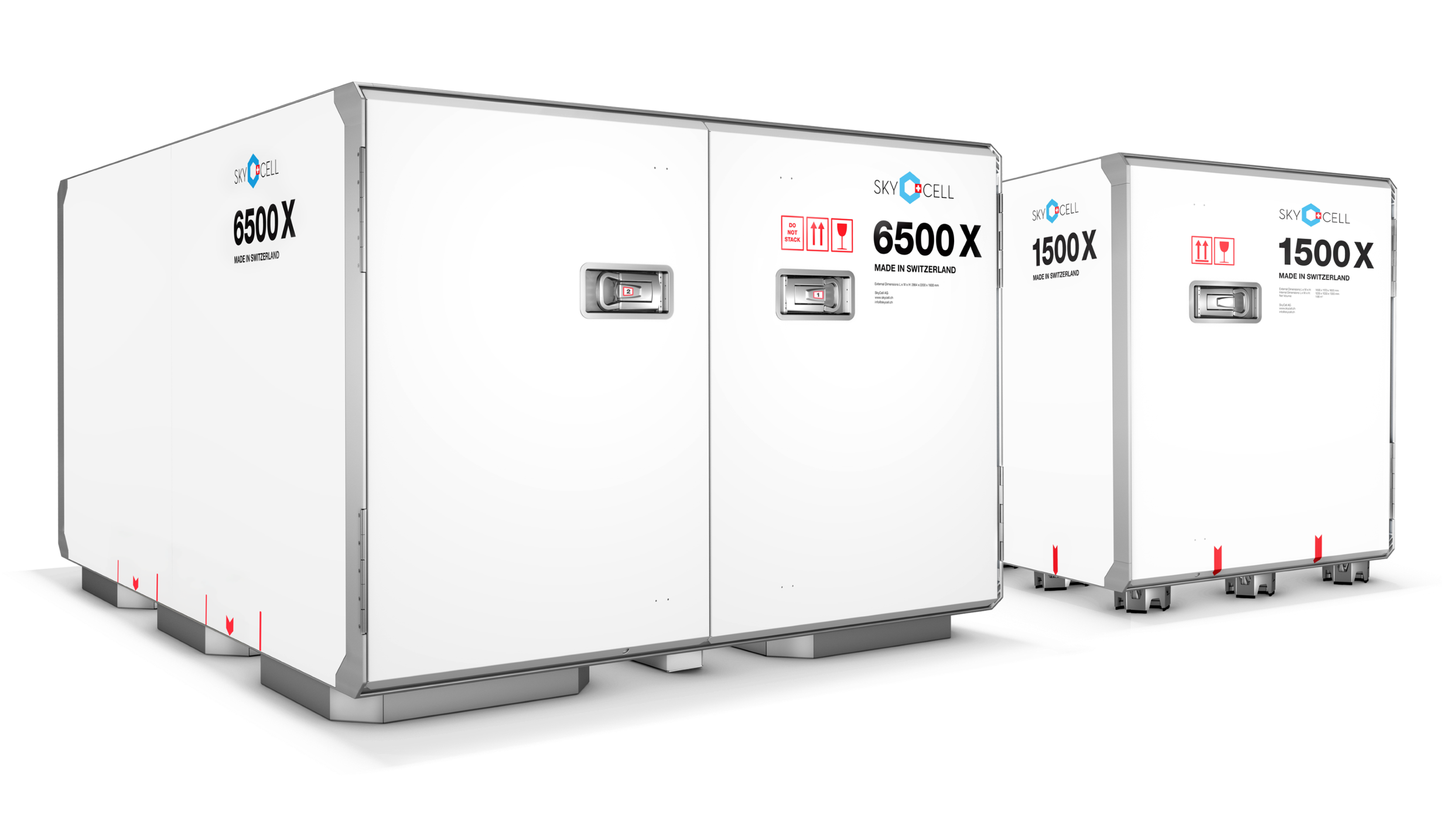
- Long power-free runtime. The 1500X holds its range for 270 hours at an external temperature of +20°C and the 6500X for 300 hours, both without a power connection, which absorbs the delays where excursions form.
- Wide external range. The 1500X is rated from -40°C to +70°C and the 6500X from -30°C to +60°C, covering tarmac heat and cold-room extremes.
- No repackaging across modes. The 6500X moves across land, air, and ocean without transferring the product, removing the exposure of every mode change.
- A proven excursion record. The 1500X has an independently assessed temperature excursion rate below 0.05%, and SkyCell's containers are designed for zero product loss.
- Monitoring and right-sizing. SkyCell's loggers and containers capture temperature and location for real-time visibility through Validaide, and the 1500X and 6500X pair to match capacity to the shipment.
What This Means for Pharmaceutical Companies
Minimizing excursions is less about finding one perfect container and more about weighing the features that protect a product where it is most exposed. On short, well-served lanes, several container types will hold. On long, multimodal, or infrastructure-light lanes, power-free runtime, a wide external range, no repackaging, and a proven excursion record separate the options.
Judging containers on those criteria, and confirming the figures against current data sheets, points a company to the container that will keep its products in range on the lanes that matter most.
Summary
- The best airfreight container for minimizing excursions is the one that holds up where excursions happen: on hot tarmacs, through delays and dwell, at mode changes, and during handling.
- The criteria that matter most are long independent runtime without external power, a wide external temperature range, no repackaging across modes, real-time monitoring and intervention, a proven excursion record, and right-sizing to the shipment.
- Passive containers suit short, predictable lanes; active containers suit shipments with power and recharging access; hybrid containers hold temperature longest without external power, which matters most where delays and infrastructure gaps are the main threat.
- SkyCell's hybrid 1500X (270 hours at +20°C, -40°C to +70°C, audited excursion rate below 0.05%) and 6500X (300 hours, -30°C to +60°C, multimodal with no repackaging) are built around the excursion-minimizing criteria.
- Hold-time figures compare different mechanisms and should be read alongside each container's type, and competitor figures here should be verified against current data sheets.