Why Cold Chain Failures Are Usually Operational Rather Than Technical
Cold chain failures are often described as “temperature failures,” but the root causes are usually operational.
Most modern pharmaceutical containers can maintain validated temperature ranges under stable conditions. Problems arise when shipments encounter:
- Unexpected delays
- Prolonged airport dwell
- Limited infrastructure availability
- Customs interruptions
- Multiple handovers between logistics providers
These disruptions gradually consume thermal margin until the shipment becomes vulnerable.
This is why resilient pharmaceutical logistics depends not only on temperature control, but on how well systems tolerate real-world disruption.
The Main Causes of Cold Chain Failures in Pharma Airfreight
Airport Dwell Time
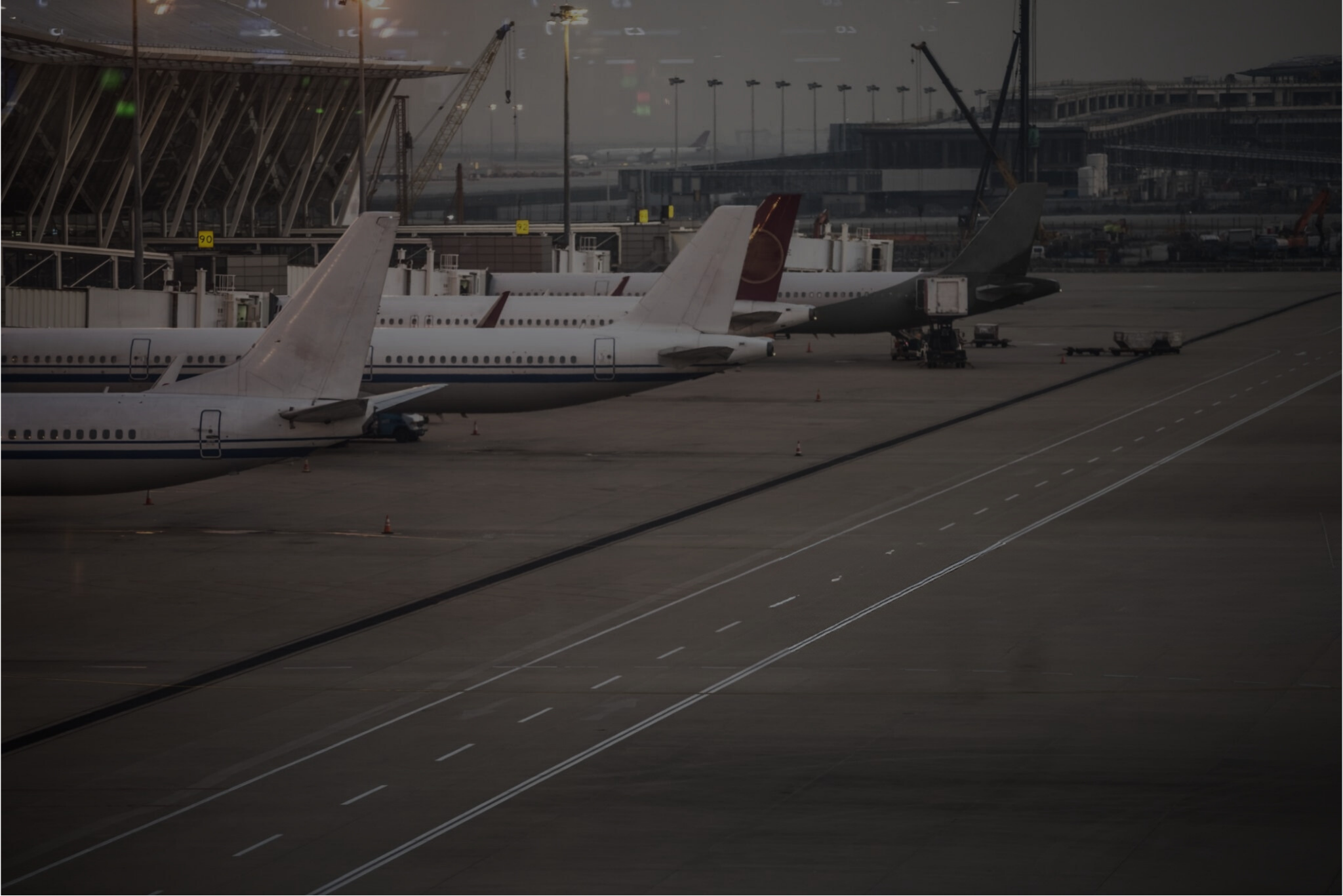
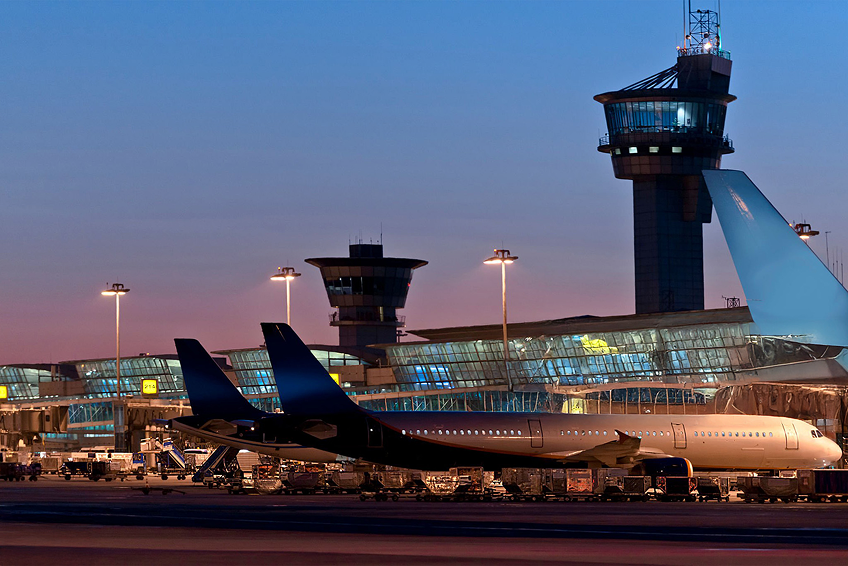
Airport dwell time is the largest contributor to cold chain failures in pharmaceutical airfreight.
Shipments may remain:
- On hot tarmac
- In congested cargo warehouses
- Awaiting customs clearance
- Waiting for transfer to connecting flights
During these periods, shipments are exposed to heat, handling, and operational uncertainty.
Industry experience consistently shows that airports are a major weak link for pharma airfreight excursions. According to the IATA, 50% of excursions of excursions occur in airports.
Dependency on Plug Infrastructure
Many temperature-controlled systems depend on:
- Electrical charging
- Plug access
- Temperature-controlled storage infrastructure
At busy airports, plug availability can be inconsistent or unavailable. Containers may be unplugged prematurely or left waiting without access to charging infrastructure.
When this happens, temperature protection begins to degrade.
This makes infrastructure dependency one of the biggest operational vulnerabilities on challenging international lanes.
Customs Inspections and Security Screening
International pharmaceutical shipments are frequently inspected during customs and security processes.
These inspections can require:
- Manual opening of containers
- Repositioning in uncontrolled environments
- Extended waiting periods during clearance
Every opening exposes shipments to ambient temperatures and handling risk.
For biologics with narrow stability margins, even short exposure periods can create excursion risk.
Runtime Exhaustion During Delays
Every temperature-controlled system has a finite thermal runtime.
When delays exceed available protection time:
- Thermal margin is exhausted
- Excursion probability increases rapidly
- Product stability becomes uncertain
This is why runtime is one of the most important resilience factors in pharmaceutical logistics.
Containers designed for ideal transit conditions may struggle during prolonged operational disruption.
Handover Failures Between Logistics Partners
International pharmaceutical shipments often move through multiple organizations:
- Freight forwarders
- Airlines
- Ground handlers
- Trucking providers
- Warehouses
Each handover introduces opportunities for:
- Miscommunication
- Delayed transfer
- Incorrect storage
- Excessive handling
Many cold chain failures occur during these operational transitions rather than during actual transport.
Infrastructure Variability Across Regions
Cold chain reliability varies significantly between airports and regions.
Challenges may include:
- Limited cold storage
- Insufficient temperature-controlled vehicles
- Congested airport operations
- Inconsistent handling procedures
These conditions are especially common on:
- Emerging-market lanes
- Tropical routes
- Infrastructure-variable corridors
Solutions designed for stable infrastructure may struggle under these conditions.
Lack of Real-Time Visibility
Without continuous visibility, logistics teams may not know:
- Where a shipment is located
- Whether it has been delayed
- If it has experienced prolonged heat exposure
By the time an issue is discovered, thermal margin may already be exhausted.
Visibility is critical because it allows intervention before disruption escalates into product loss.
Delayed Or Ineffective Intervention
Visibility alone is not enough.
Cold chain resilience also depends on how quickly teams can respond when disruptions occur.
When intervention is slow:
- Containers remain exposed longer
- Delays compound
- Excursion probability increases
The ability to coordinate rapid operational response is a major differentiator in resilient pharmaceutical logistics.
Why Biologics Amplify Failure Risk
Biologics and advanced therapies are especially vulnerable because they often:
- Have narrow stability margins
- Degrade irreversibly after excursions
- Cannot recover once damaged
This means operational disruptions that might be manageable for traditional pharmaceuticals can become critical failures for biologics.
As biologics become a larger share of pharmaceutical shipments globally, operational resilience becomes increasingly important.

How SkyCell’s Integrated Layers Of Protection Reduce Cold Chain Failure Risk
Most pharmaceutical cold chains rely on heavy infrastructure because companies cannot tolerate uncertainty. When visibility is limited and intervention is slow, organizations compensate with more reefer trucks, more cold storage, and more redundancy at every stage.
SkyCell’s approach is designed differently.
Instead of relying only on infrastructure, SkyCell combines four integrated layers of protection that work together to reduce operational risk and improve resilience across complex global lanes.
Layer 1: Physical Protection
Cold chain failures often begin when delays exceed a container’s ability to maintain temperature autonomously.
SkyCell hybrid containers are designed to tolerate these disruptions directly.
- The SkyCell 1500X provides 270+ hours of autonomous runtime
- The SkyCell 6500X provides 300+ hours of runtime for larger-volume shipments
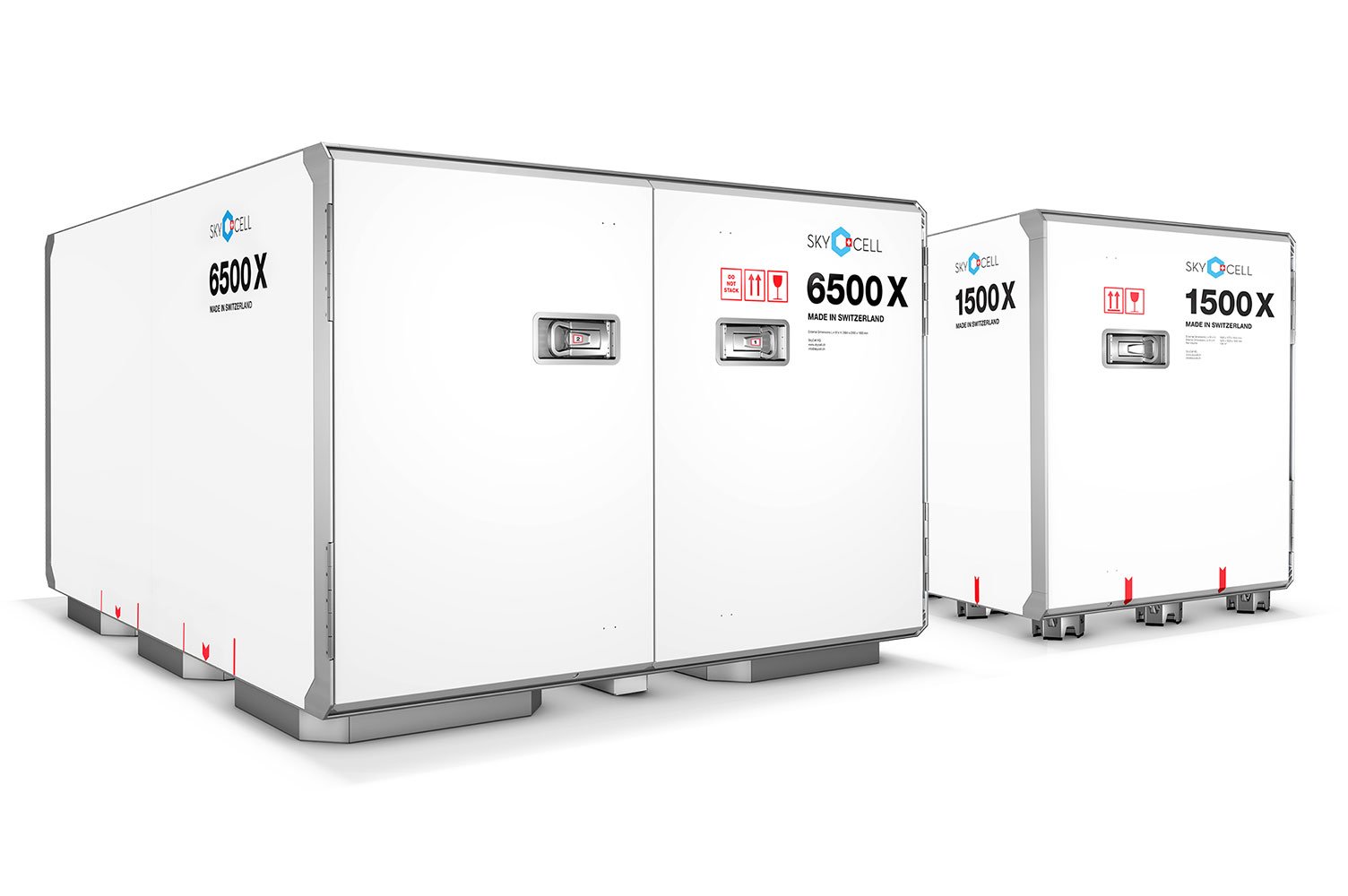
Both systems maintain validated temperature ranges without requiring plugs or external power during transit.
This reduces dependency on:
- Airport charging infrastructure
- Backup cold storage
- Time-sensitive intervention during delays
The 1500X is also X-ray compatible, reducing the need for manual customs opening. When opening is required, it restabilizes rapidly. After a 10-minute opening, recovery time is less than 18 minutes.
These capabilities directly target the most common operational causes of temperature excursions.
Layer 2: Lane Risk Intelligence
Many cold chain failures occur because route risk is poorly understood before shipment begins.
Through Validaide, SkyCell provides lane risk intelligence based on real-world operational data.
- 60,000+ lanes digitized
- New lane assessed every 30 minutes
- 1,900+ logistics suppliers contributing operational data
This allows pharmaceutical companies to evaluate:
- Lane robustness
- Partner reliability
- Infrastructure variability
- Emissions impact
- Compliance readiness
before selecting shipment configurations.
Understanding structural route risk reduces reliance on assumptions and improves planning accuracy.
Layer 3: Real-Time Visibility
Visibility becomes critical when shipments encounter delays or congestion.
SkyCell’s visibility infrastructure spans:
- 250+ IoT-monitored airports
- 50+ service stations
- 20+ airline partnerships
The network tracks over 100,000 pallets daily, enabling real-time visibility across major pharmaceutical airfreight hubs.
This allows teams to:
- Detect prolonged airport dwell
- Locate delayed shipments quickly
- Identify handling risks before excursions occur
At busy airports, locating containers rapidly can significantly reduce exposure time.
Layer 4. Coordinated Intervention Capability
No cold chain operates without disruption.
The key difference is how quickly deviations are corrected.
When issues are detected, SkyCell’s operational network enables coordination across:
- Airlines
- Ground handlers
- Freight forwarders
- Pharmaceutical companies
This allows teams to:
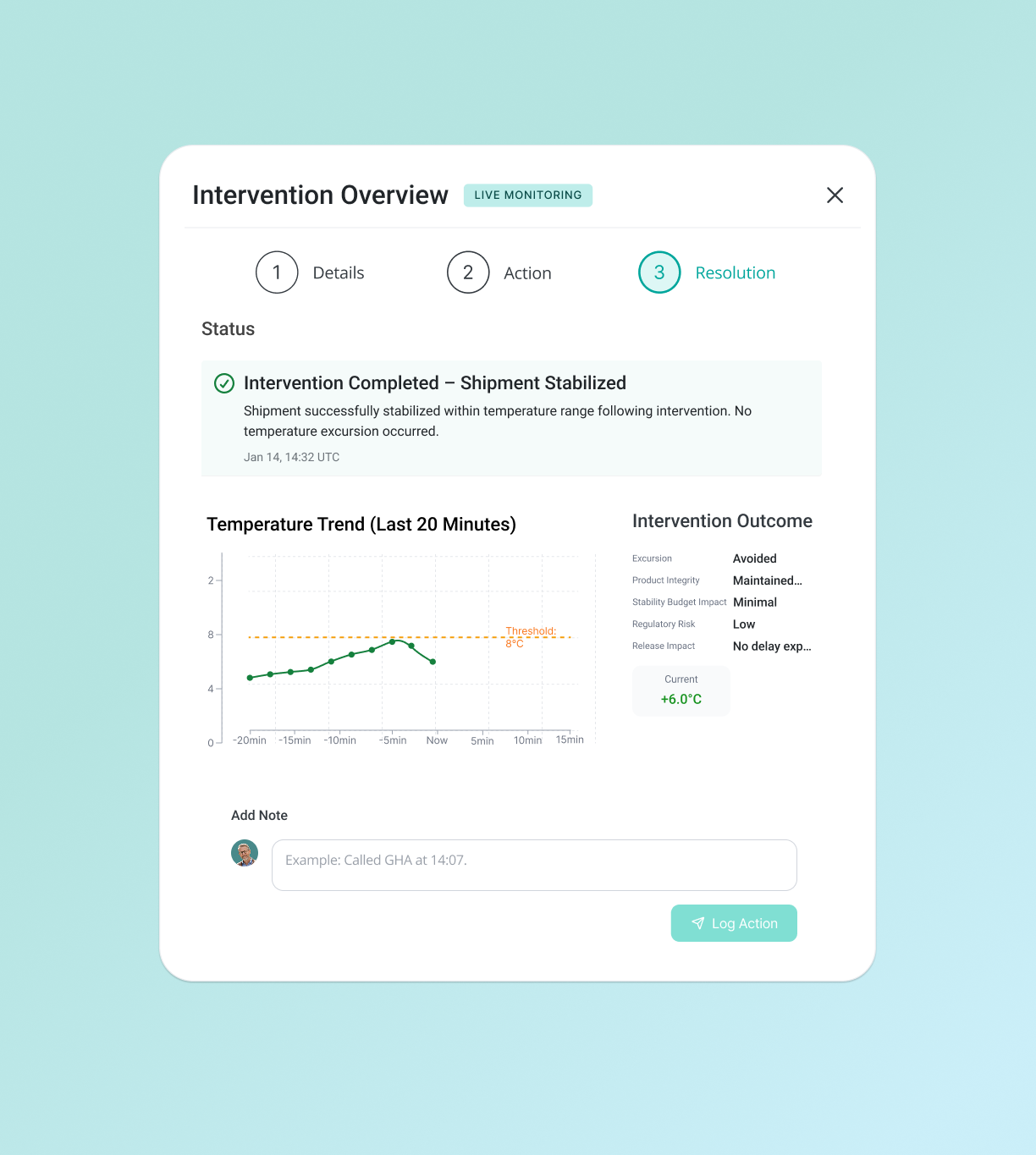
- Retrieve shipments from hot tarmac
- Re-route containers
- Prioritize handling
- Adjust downstream logistics plans
Validaide supports this process through SOP-aligned recommendations and predictive insights that help reduce escalation risk before failures occur.
Why This Layered Approach Matters
Each layer reinforces the others.
- Physical protection buys time during disruption
- Lane intelligence improves planning decisions
- Visibility identifies risk early
- Intervention capability prevents escalation
Together, these layers reduce the need to overbuild cold chain infrastructure while improving resilience across global pharmaceutical supply chains.
This is increasingly important as:
- Biologics grow
- Airport congestion increases
- Supply chains become more global and fragmented
- Sustainability pressures intensify
Summary
- Most pharma cold chain failures occur during operational delays, not during flight
- Airport dwell, customs inspections, and handovers are the main failure points
- Infrastructure dependency increases vulnerability during disruption
- Runtime determines how long shipments can tolerate delays safely
- Visibility and intervention reduce escalation risk
- SkyCell combines long-runtime physical protection, lane intelligence, visibility, and intervention capability to reduce operational cold chain failure risk