What Cold Chain Logistics Actually Covers
A pharmaceutical cold chain spans the full journey of a temperature-sensitive product, and each stage has to hold the required conditions.
- Manufacturing and storage. The product is made and held in temperature-controlled facilities before it ever ships.
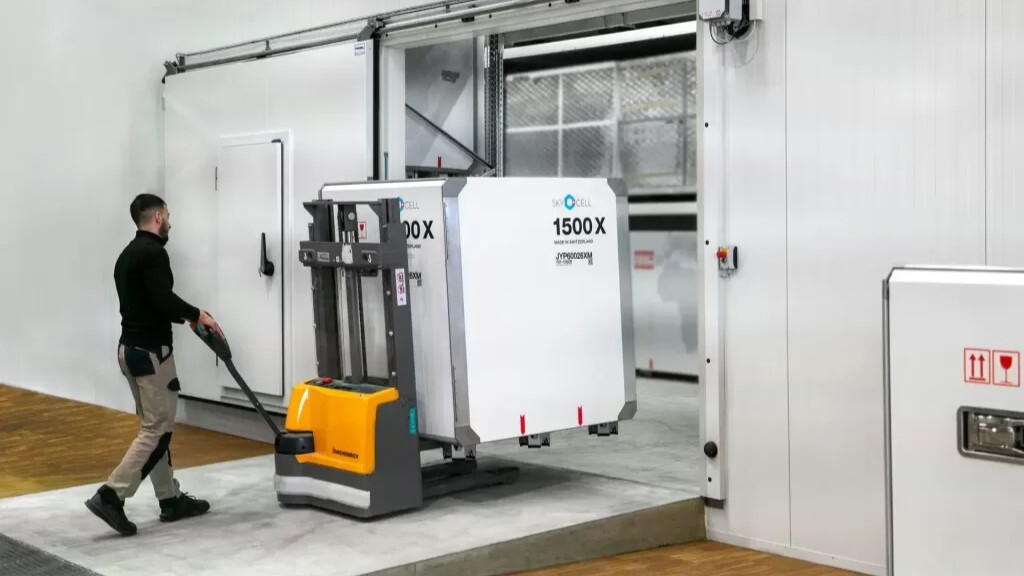
- Packaging and loading. It is packed into temperature-controlled containers or insulated packaging sized for the journey ahead.
- Transport. It moves by road, air, or ocean, often across several modes on a single lane.
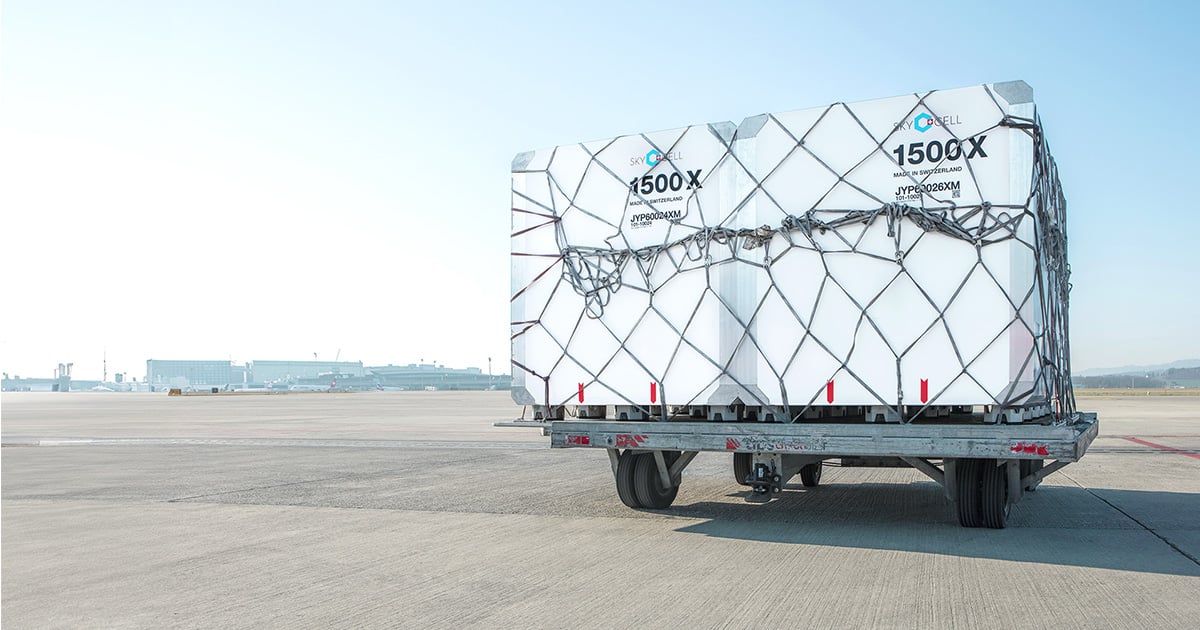
- Handoffs and storage in transit. It passes through warehouses, airports, and customs, where it waits in cold storage or on the tarmac.
- Last-mile delivery. It reaches a hospital, pharmacy, or clinic, still within its approved range.
The Temperature Ranges The Cold Chain Protects
Different products need different conditions, and the cold chain is built around a few standard ranges.
- Controlled room temperature. Typically +15°C to +25°C, used for many finished drugs.
- Refrigerated. Typically +2°C to +8°C, the most common range for biologics and vaccines.
- Frozen. Around -20°C, for products that need deep cold.
- Ultra-cold and cryogenic. Down to -70°C or lower, for some vaccines and for cell and gene therapies.
Why Cold Chain Logistics Matters
Temperature-sensitive medicines are fragile and valuable, and a single excursion outside the approved range can make a shipment unusable.
A lost shipment carries real consequences: wasted product, delayed treatment for patients, regulatory exposure, and the cost of remaking and reshipping. For high-value biologics, one spoiled batch can be worth millions.

What Makes The Cold Chain Difficult
Holding temperature sounds simple, and the difficulty comes from how long, how far, and how many hands a modern pharmaceutical journey involves.
- Long, multimodal lanes. A shipment can cross several countries and change between truck, plane, and ship.
- Dwell time. Products often wait longest where they are least controlled, such as on airport tarmacs.
- Handoffs. Every transfer between parties is a point where temperature control can slip.
- External extremes. Lanes can pass through tropical heat or freezing conditions the packaging has to withstand.
How The Cold Chain Is Kept Under Control
Keeping a shipment in range depends on the packaging that holds temperature and the data that proves it.
- Temperature-controlled containers. Active, passive, and hybrid containers hold the required range for the length of the journey.
- Real-time monitoring. Loggers and connected containers record temperature and location, so problems can be caught in transit.
- Lane planning. Assessing a route's risks before shipping helps match the packaging and transport mode to the journey.
- Qualified processes. Good Distribution Practice (GDP) and related standards define how the cold chain is validated and documented.
Where SkyCell Fits
SkyCell provides the containers, hardware, and software that hold temperature and prove it across a full journey. The details below are drawn from SkyCell's published data.
- Hybrid containers. SkyCell's hybrid containers combine active and passive cooling to hold temperature for long periods without external power, with the 1500X rated for 270 hours at +20°C and the 6500X for 300 hours.
- Multimodal protection. The containers move across land, air, and ocean without repackaging, reducing the handoffs where control is lost.
- A proven excursion record. The 1500X has an independently assessed temperature excursion rate below 0.05%, and SkyCell's containers are designed for zero product loss.
- Visibility through Validaide. SkyCell's loggers and containers capture temperature and location, and Validaide turns that data into lane risk assessment and real-time visibility.
Summary
- Cold chain logistics in pharma keeps a medicine within a defined temperature range at every step from manufacturing to the patient.
- It covers manufacturing, storage, temperature-controlled packaging, transport across road, air, and ocean, in-transit handoffs, and last-mile delivery.
- Standard ranges are controlled room temperature (+15°C to +25°C), refrigerated (+2°C to +8°C), frozen (around -20°C), and ultra-cold or cryogenic (down to -70°C or lower).
- It matters because temperature-sensitive medicines lose potency or safety after an excursion, which wastes product, delays patient treatment, and creates regulatory exposure.
- SkyCell supports the cold chain with hybrid containers (270 hours at +20°C on the 1500X, 300 hours on the 6500X), multimodal protection without repackaging, an independently assessed excursion rate below 0.05% on the 1500X, and visibility through Validaide.