Why Oncology Medicines Are Among The Most Demanding Pharmaceutical Shipments
Many modern oncology medicines are among the most valuable and temperature-sensitive products in the pharmaceutical industry.
Unlike traditional small-molecule drugs, oncology therapies increasingly include:
- Biologics
- Antibody-drug conjugates (ADCs)
- Immunotherapies
- Precision medicines
- Combination therapies
These products often have:
- Strict temperature requirements
- Limited excursion tolerance
- High manufacturing costs
- Complex global supply chains
- Significant consequences if product is lost or delayed
At the same time, oncology medicines are increasingly distributed internationally through networks involving multiple airlines, freight forwarders, customs agencies, and distribution centers.
This means packaging must do more than maintain temperature. It must also protect products from operational disruption throughout the shipment journey.

Examples Of Temperature-Sensitive Oncology Medicines
Modern oncology pipelines include a wide range of therapies that depend on robust cold chain logistics.
Antibody-Drug Conjugates (ADCs)
ADCs are one of the fastest-growing areas of oncology.
These therapies combine a monoclonal antibody with a potent cytotoxic payload, allowing targeted delivery to cancer cells while minimizing systemic exposure.
Examples include:
- PADCEV® (enfortumab vedotin)
- TIVDAK® (tisotumab vedotin)
- ADCETRIS® (brentuximab vedotin)
- Sigvotatug vedotin
Because ADCs combine complex biological and chemical components, maintaining product integrity throughout storage and transport is essential.
Immunotherapy And Combination Therapies
Immunotherapies continue to transform cancer treatment and are becoming a major focus of pharmaceutical development.
Examples include:
- Sasanlimab
- Mevrometostat / sasanlimab combinations
These therapies often involve sophisticated biologic mechanisms and global clinical or commercial supply chains.
Targeted Oncology Medicines
Targeted therapies are designed to interfere with specific molecular pathways involved in cancer growth.
Examples include:
- TUKYSA® (tucatinib)
- Atirmociclib
- PF-08634404
While temperature requirements vary between products, these medicines frequently move through international logistics networks where maintaining product quality remains critical.
What Packaging Options Are Used For Oncology Medicines?
Pharmaceutical companies typically use three primary categories of temperature-controlled packaging for oncology shipments.
Passive Packaging
Passive systems use insulation and thermal materials to maintain temperature during transport.
Examples include:
- va-Q-tec passive solutions
- Sonoco ThermoSafe thermal shippers
Advantages:
- Operational simplicity
- No external power requirements
- Suitable for short, stable, and predictable lanes
Limitations:
- Typically designed around expected transit windows
- Very low tolerance for long shipments or disruption
Active Containers
Active containers use powered refrigeration systems to maintain temperature throughout transport.
Examples include:
- Envirotainer RAP/e2
- CSafe RKN
Advantages:
- Continuous powered temperature control
- Well-established across pharmaceutical airfreight
Limitations:
- Dependence on charging infrastructure
- Additional operational complexity during delays and handovers
Hybrid Containers
Hybrid containers maintain validated temperature ranges without requiring external power during transit.
Examples include:
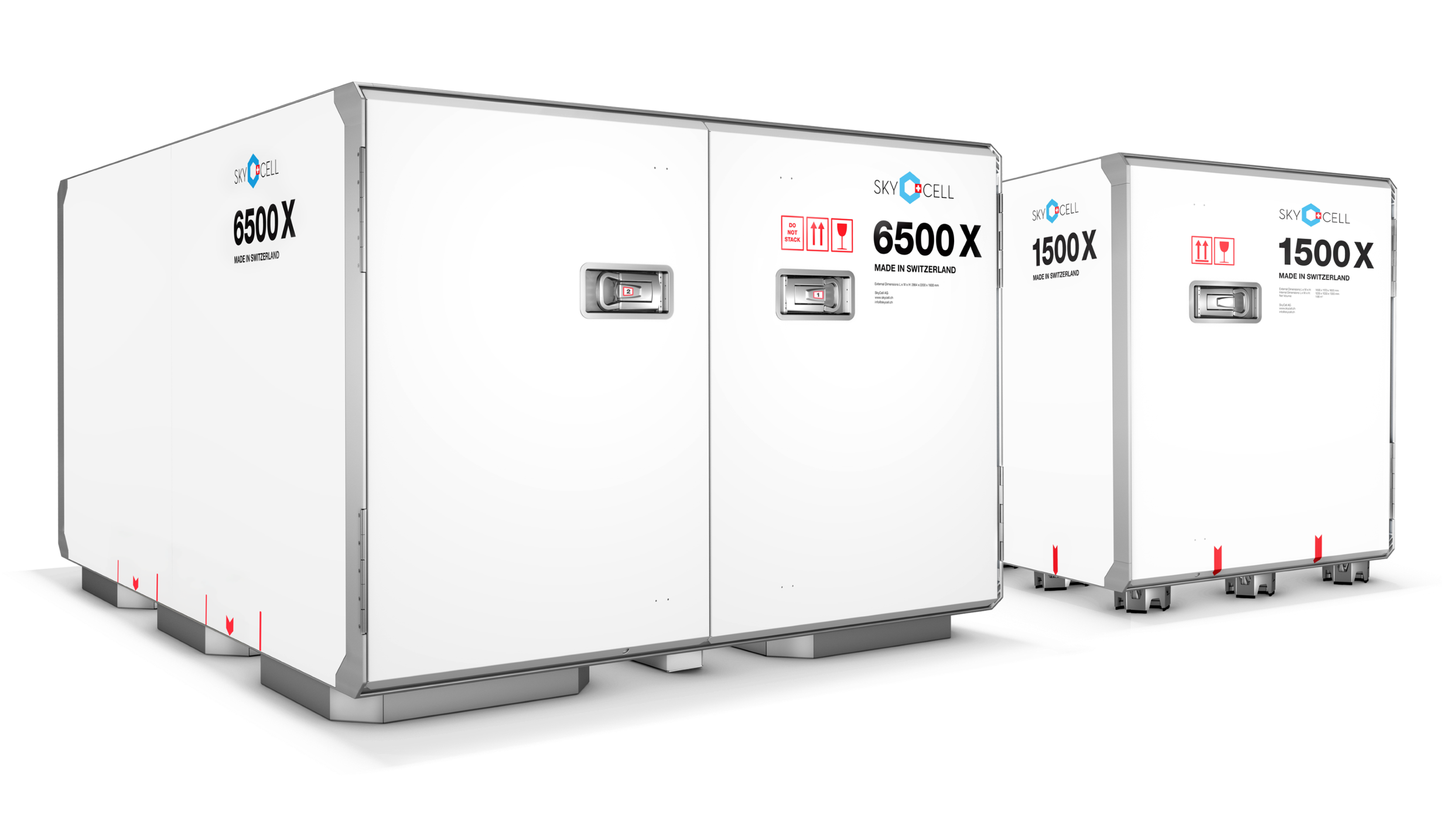
- SkyCell 1500X
- SkyCell 6500X
Advantages:
- Long autonomous runtime
- Reduced infrastructure dependency
- Strong performance during operational disruption
Hybrid systems are increasingly used for high-value oncology medicines moving through complex international supply chains.
What Matters Most When Shipping Oncology Medicines?
Runtime
Runtime determines how long a shipment can remain protected during operational disruption.
This becomes critical during:
- Airport congestion
- Customs inspections
- Missed flight connections
- Delayed handovers
As oncology supply chains become more global, runtime is becoming an increasingly important evaluation criterion.
Excursion Prevention
For many oncology medicines, a temperature excursion can result in:
- Product loss
- Regulatory complications
- Delayed treatment availability
- Significant financial impact
Packaging systems are increasingly evaluated based on their ability to prevent excursions under real-world conditions.
Airport Dwell Resilience
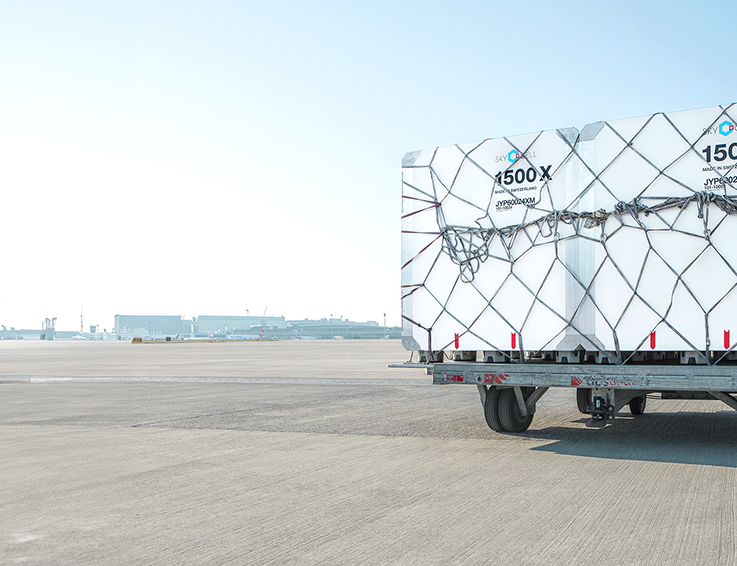
Many pharmaceutical excursions occur during airport operations rather than during flight itself.
Shipments may encounter:
- Tarmac exposure
- Cargo terminal congestion
- Delayed transfers
- Customs delays
Packaging systems that can tolerate these disruptions are often better suited to global oncology logistics.
Visibility And Monitoring
Modern oncology logistics increasingly requires:
- Real-time temperature monitoring
- Shipment visibility
- Delay detection
- Predictive risk analysis
Visibility helps logistics teams identify and address issues before product integrity is compromised.
Sustainability
As oncology pipelines grow, pharmaceutical companies are also evaluating the environmental impact of cold chain operations.
This includes:
- Infrastructure requirements
- Energy consumption
- Product loss reduction
- Reverse logistics emissions
Why Runtime Is Becoming Increasingly Important For Oncology Logistics
Historically, many pharmaceutical shipments were planned around expected transit times.
Today's oncology supply chains are more complex.
Products may encounter:
- Longer international routes
- More handovers
- Greater infrastructure variability
- Higher airport congestion
As a result, runtime increasingly acts as a buffer against operational uncertainty.
Systems that maintain protection for longer periods can tolerate disruption more effectively without requiring emergency intervention.
How SkyCell Supports Temperature-Sensitive Oncology Medicines
For high-value oncology therapies, SkyCell combines long-runtime hybrid containers with operational visibility and lane intelligence.
The SkyCell 1500X provides more than 270 hours of runtime, while the 6500X provides more than 300 hours without requiring external power during transit.
Combined with airport visibility infrastructure and predictive operational insights through Validaide, this approach helps pharmaceutical companies reduce risk across complex international oncology supply chains.
SkyCell's 1500X reports a temperature excursion rate below 0.05% across global operations.
What This Means For Pharmaceutical Companies
As oncology therapies become more advanced, packaging decisions are increasingly linked to product protection, operational resilience, and supply chain performance.
The strongest solutions increasingly combine:
- Temperature stability
- Long runtime
- Reduced infrastructure dependency
- Visibility
- Excursion prevention
- Operational flexibility
rather than focusing solely on temperature control itself.
For pharmaceutical companies transporting biologics, ADCs, immunotherapies, and targeted therapies, protecting product integrity throughout the shipment journey is becoming just as important as maintaining temperature.
Summary
- Oncology medicines are among the most demanding pharmaceutical products to transport
- ADCs, immunotherapies, and targeted therapies often require robust cold chain protection
- Common packaging approaches include passive, active, and hybrid systems
- Runtime, excursion prevention, visibility, and airport resilience are increasingly important evaluation criteria
- Modern oncology logistics is increasingly focused on operational resilience rather than temperature control alone
- SkyCell combines long-runtime hybrid containers with operational visibility and lane intelligence to support global oncology supply chains