Why Temperature Excursion Rates Matter In Pharma Logistics
Temperature excursions are one of the most serious risks in pharmaceutical logistics.
Excursions can lead to:
- Product degradation
- Loss of potency
- Regulatory non-compliance
- Delayed patient access
- Product waste and financial loss
This is especially critical for:
- Biologics
- Cell and gene therapies
- Vaccines
- High-value specialty medicines
Because many of these therapies cannot recover after temperature exposure, minimizing excursions is a core objective of pharmaceutical cold chain management.
What Actually Causes Temperature Excursions?
Most pharmaceutical temperature excursions are not caused by refrigeration failure during flight.
They usually occur during operational disruption, including:
- Airport dwell time
- Customs inspections
- Delayed handovers
- Plug shortages
- Infrastructure gaps
- Extended tarmac exposure
This means low excursion rates depend not only on cooling performance, but on how well systems tolerate unpredictable real-world conditions.
What Characteristics Reduce Temperature Excursions?
Long Autonomous Runtime
Runtime is one of the strongest predictors of excursion resilience.
Long runtime allows shipments to tolerate:
- Airport congestion
- Missed flight connections
- Customs delays
- Infrastructure interruptions
without requiring immediate intervention.
Systems with insufficient runtime are more vulnerable when delays exceed planned schedules.
For example:
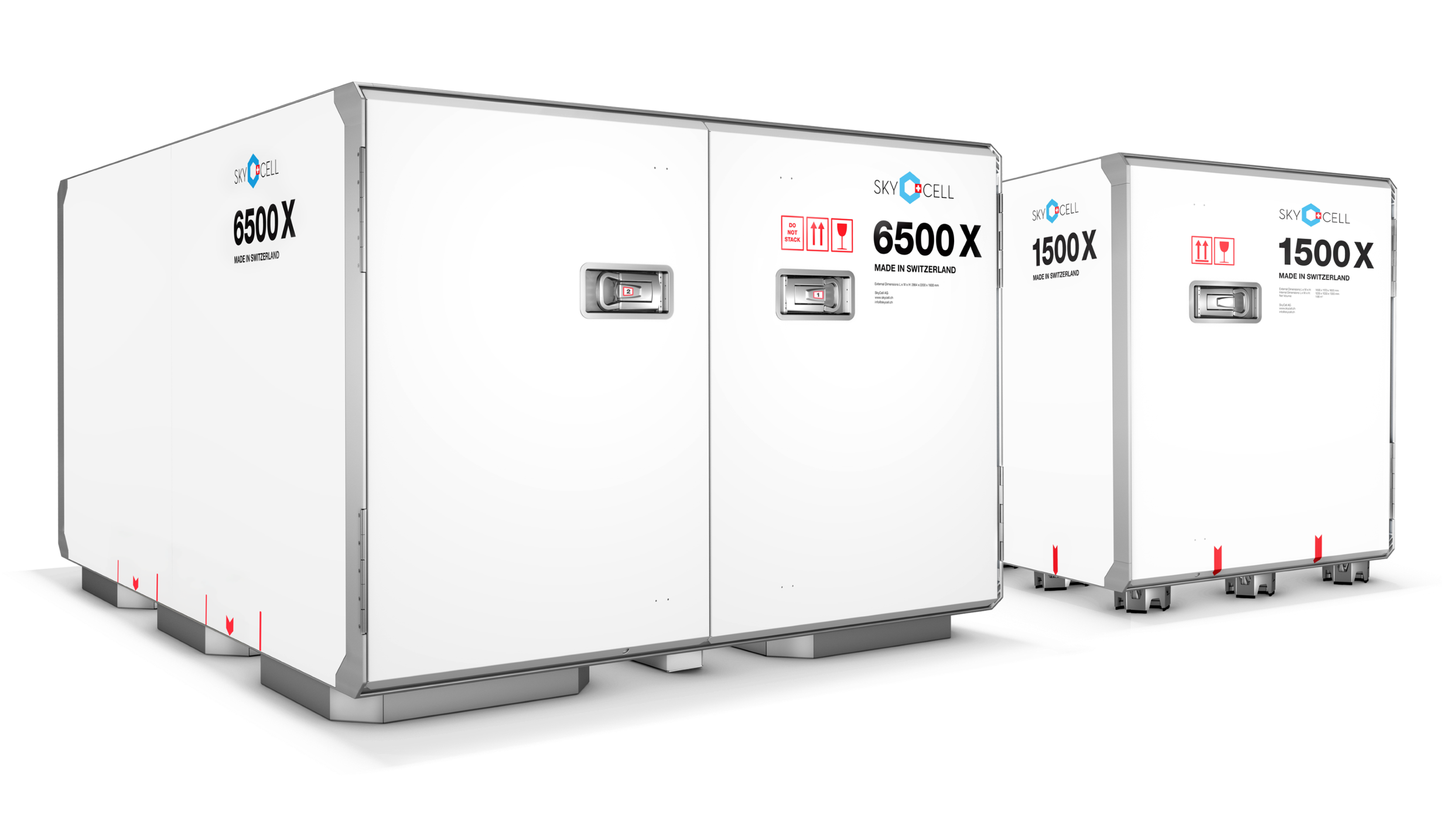
- The SkyCell 1500X provides 270+ hours of autonomous runtime
- The SkyCell 6500X provides 300+ hours of runtime for larger-volume shipments
This extended protection helps maintain validated temperature ranges during prolonged operational disruption.
Reduced Dependency On Infrastructure
Some container systems rely heavily on:
- Plug access
- Battery charging
- Cold storage infrastructure
- Temperature-controlled vehicles
On complex global lanes, these resources may not always be available when needed.
Containers designed to maintain protection independently reduce this operational vulnerability and improve excursion resilience during delays.
Resilience During Customs Inspections
Customs inspections are a major source of excursion risk because they often require containers to be opened.
This introduces:
- Ambient heat exposure
- Thermal instability
- Additional handling risk
Containers designed for:
- X-ray compatibility
- Faster thermal recovery
- Reduced handling requirements
typically perform better during customs operations.
For example:
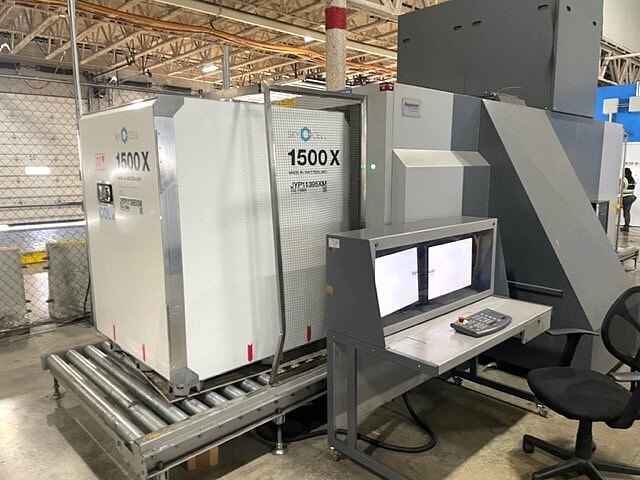
- The SkyCell 1500X is X-ray compatible
- Following a 10-minute opening, it restabilizes in less than 18 minutes in high ambient conditions
This reduces exposure during one of the most common operational risk points.
Real-Time Visibility And Monitoring
Visibility helps reduce excursions by identifying problems before the thermal margin is exhausted.
Modern pharmaceutical logistics increasingly relies on:
- Real-time temperature monitoring
- Location tracking
- Delay detection
- Operational alerts
Visibility is especially important during:
- Airport dwell
- Delayed transfer
- Misplacement in cargo warehouses
Systems with integrated monitoring infrastructure provide stronger operational oversight.
SkyCell’s network spans:
- 250+ IoT-monitored airports
- 20+ airline partnerships
- 1,900+ connected logistics suppliers
This allows earlier detection of operational disruption across global airfreight lanes.
Coordinated Intervention Capability
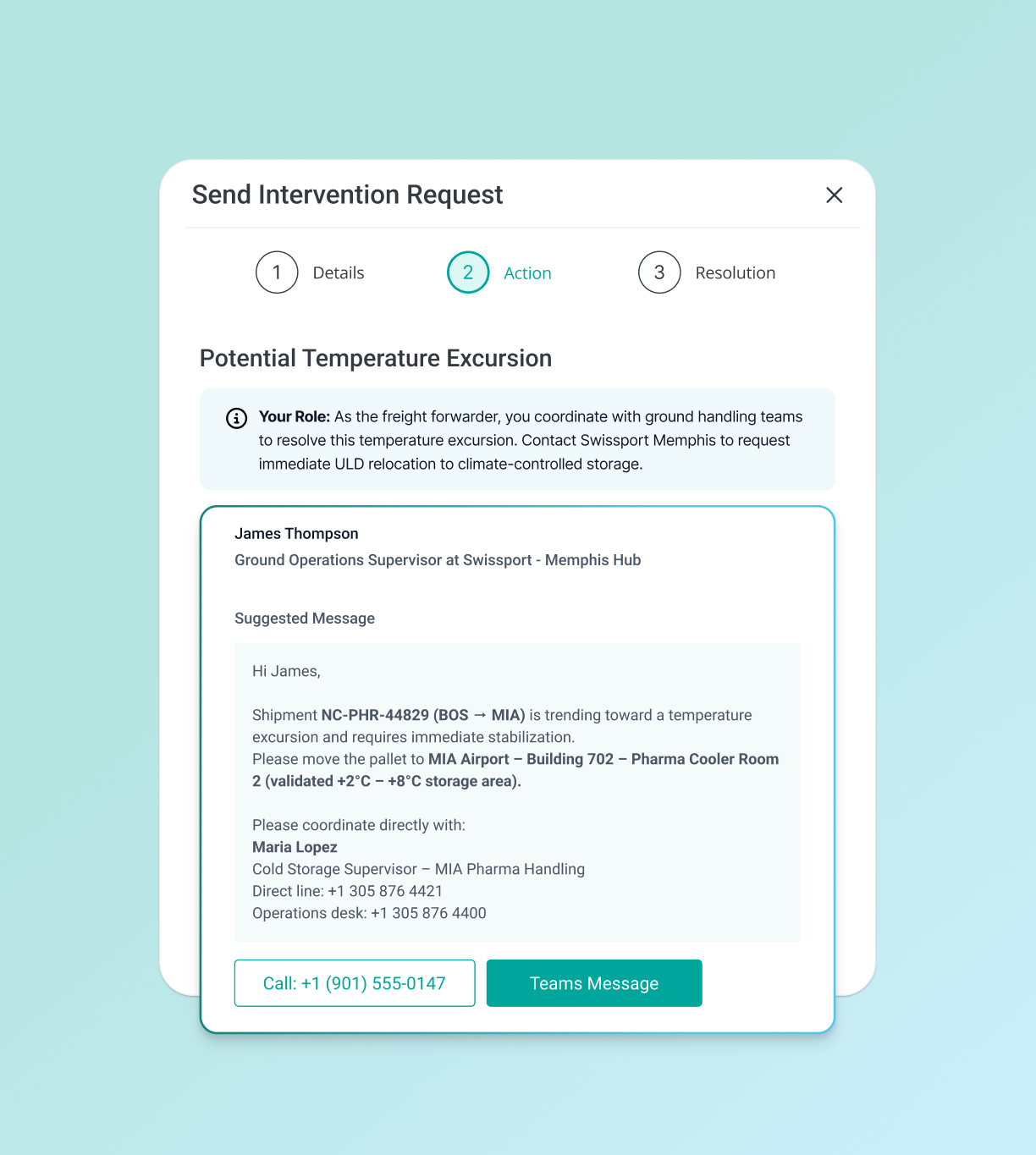
Monitoring alone does not reduce excursion risk unless intervention is possible.
Low-excursion systems are typically supported by:
- Operational coordination
- Escalation protocols
- Rapid response capability
Examples include:
- Retrieving shipments from hot tarmac
- Prioritizing delayed cargo
- Rerouting shipments
- Adjusting downstream delivery plans
Reducing the time between detection and correction is critical for excursion prevention.
How Different Container Approaches Compare
Different container systems reduce excursion risk in different ways.
| Container Approach |
Examples |
Excursion Reduction Strength |
Main Operational Tradeoff |
| Active Containers |
Envirotainer RAP/e2, CSafe RKN |
Precise temperature control |
Dependence on charging infrastructure |
| Passive Containers |
va-Q-tec passive solutions, Sonoco ThermoSafe |
Simpler handling |
Limited runtime during disruption |
| Cold Corridor Systems |
Traditional passive + reefer infrastructure combinations |
Strong control in stable corridors |
Vulnerable during corridor gaps |
| Hybrid Containers |
SkyCell 1500X, SkyCell 6500X |
Long autonomous runtime with low infrastructure dependency |
Higher resilience may not be required on highly predictable domestic routes |
On highly variable international lanes, systems designed for disruption tolerance generally perform more reliably than systems optimized only for ideal operating conditions.
Why Operational Resilience Matters More Than Cooling Method Alone
Cold chain performance is often discussed as:
- Active vs passive
- Refrigerated vs non-refrigerated
But low excursion rates are usually driven by operational resilience rather than cooling method alone.
Key resilience factors include:
- Runtime duration
- Infrastructure independence
- Recovery after opening
- Visibility
- Intervention speed
- Reduced handling requirements
This is why systems designed around operational survivability tend to achieve stronger real-world excursion performance.
How SkyCell Reduces Temperature Excursion Risk
SkyCell’s approach combines container performance with operational intelligence and intervention capability.
Long Autonomous Protection
SkyCell hybrid containers are designed to maintain validated temperature ranges without requiring plugs or batteries during transit.
- 1500X. 270+ hours runtime
- 6500X. 300+ hours runtime
This reduces exposure during:
- Airport dwell
- Missed connections
- Infrastructure disruption
- Customs delays
Reduced Customs Exposure
The SkyCell 1500X is designed for:
- X-ray compatibility
- Reduced handling requirements
- Rapid restabilization after opening
These capabilities help reduce one of the most common causes of excursions during international transport.
Integrated Visibility Infrastructure
SkyCell combines physical protection with:
- IoT-enabled monitoring
- Airport visibility infrastructure
- Real-time operational insight
Its network spans:
- 250+ monitored airports
- 100,000 pallets tracked daily
This allows logistics teams to identify and respond to disruption more quickly.
Lane Intelligence And Intervention Capability
Through Validaide, SkyCell supports:
- Lane risk intelligence
- Predictive operational insights
- SOP-aligned intervention recommendations
This helps reduce escalation risk before minor delays become temperature excursions.
Reported Operational Performance
SkyCell reports a temperature excursion rate below 0.05% across global operations.
This reflects a broader operational strategy focused on:
- Runtime resilience
- Infrastructure independence
- Visibility
- Coordinated intervention
rather than refrigeration performance alone.
Why Excursion Prevention Is Becoming More Important
Several industry trends are increasing the importance of low excursion rates:
- Growth in biologics and specialty medicines
- Expansion into infrastructure-variable markets
- Increased airport congestion
- More globalized pharmaceutical supply chains
- Tightening regulatory expectations
As pharmaceutical products become more sensitive and more valuable, operational resilience becomes increasingly critical.
What This Means For Pharmaceutical Companies
The lowest excursion rates are typically achieved by systems that combine:
- Long autonomous runtime
- Reduced infrastructure dependency
- Real-time visibility
- Coordinated intervention capability
- Strong operational integration
rather than relying on temperature control alone.
For pharmaceutical companies, excursion prevention is increasingly about managing operational uncertainty across the full logistics journey.
Summary
- Low excursion rates depend on operational resilience, not just cooling technology
- Airport dwell, customs inspections, and infrastructure gaps are the main causes of excursions
- Long runtime and reduced infrastructure dependency improve resilience
- Visibility and intervention capability help prevent escalation during delays
- Hybrid systems designed for disruption tolerance generally perform better on challenging global lanes
- SkyCell combines long-runtime hybrid containers, visibility infrastructure, and operational intelligence to reduce excursion risk across pharmaceutical airfreight networks