What Airport Dwell Time Actually Includes
Airport dwell time is not just waiting for takeoff. It includes:
- Acceptance and build-up before departure
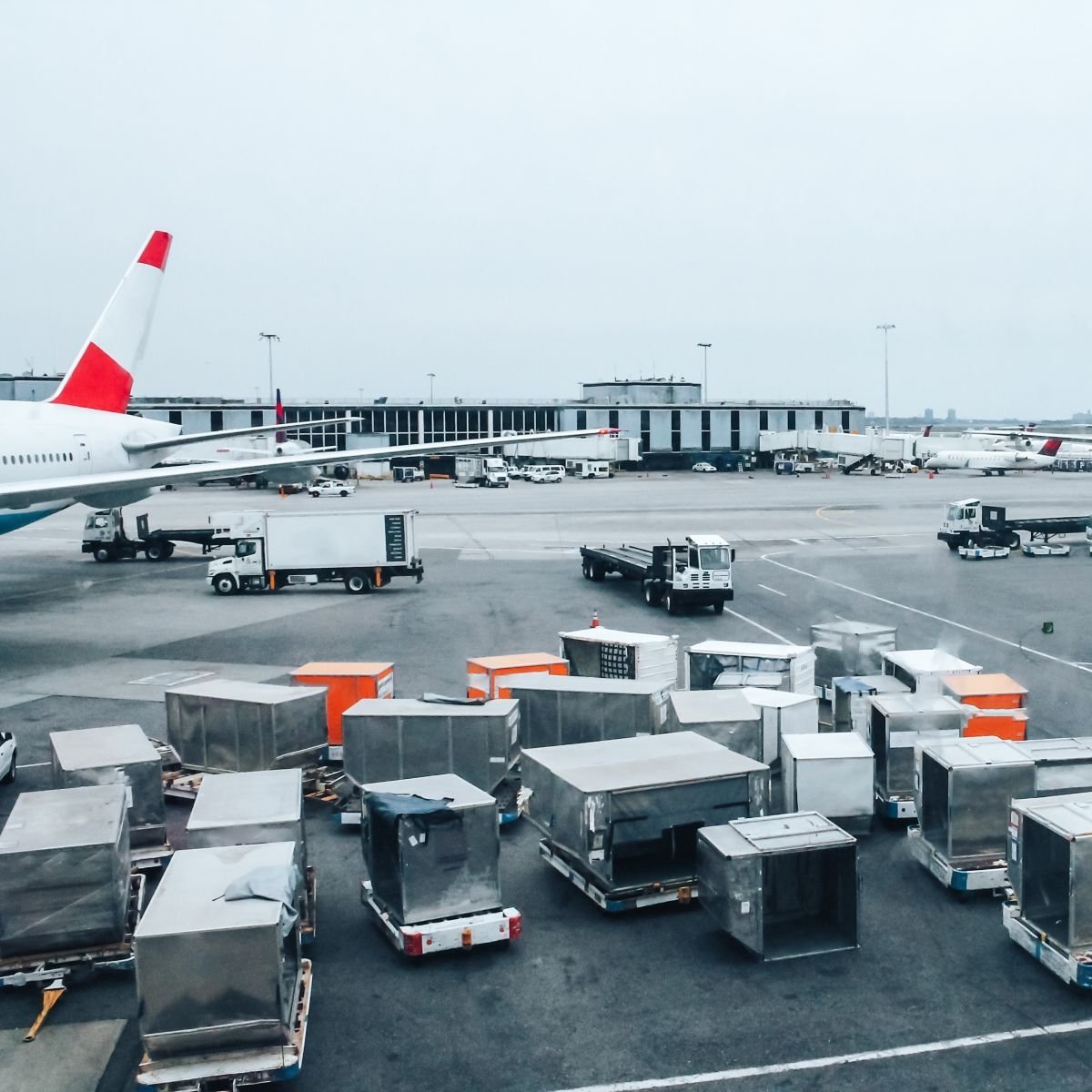
- Tarmac exposure before loading
- Transit hub layovers
- Missed connections
- Customs inspections and documentation holds
- Arrival staging before release
Each of these moments introduces heat exposure, handling events, and time uncertainty.
Why Airports Are Pharma’s Weakest Link
According to IATA, over 50% of excursions occur at airports or in the hands of airlines. Dwell times are frequently the riskiest of all.
1. Heat exposure on tarmac
Containers frequently sit on hot tarmac in direct sunlight. In warm climates, surface temperatures can rise rapidly, accelerating thermal ingress and consuming thermal margin.
Even short delays can significantly reduce protection time.
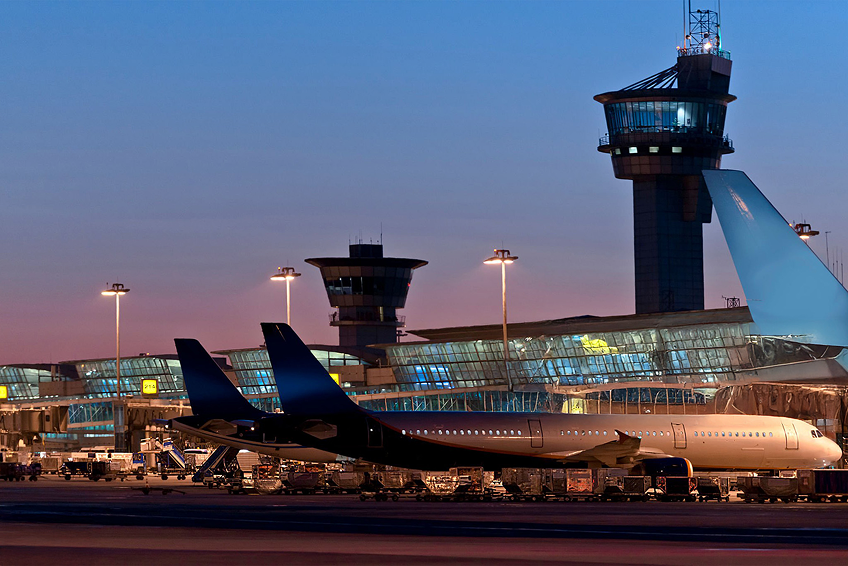
2. Scarcity of plugs and charging infrastructure
Active containers rely on access to electrical infrastructure for charging and stability. At busy airports:
- Plug points are limited
- Rotation systems are imperfect
- Containers may be unplugged prematurely
When plug access fails, protection degrades.
3. Manual customs inspections
Customs processes often require containers to be opened for inspection. In high ambient temperatures, this introduces rapid thermal drift.
For many systems, recovery after opening is slow, and margins may already be depleted.
4. Misplacement and congestion
In busy cargo environments, containers may be misplaced inside warehouses or left exposed longer than expected. A delay of hours can easily become days.
What Actually Reduces Airport Dwell Risk
Reducing dwell risk requires designing for disruption rather than assuming perfect schedules. SkyCell offers a reliable alternative to “hoping for the best.”
Extended Autonomous Runtime
Containers must tolerate prolonged ground exposure without requiring plugs, batteries, or intervention.
The SkyCell 1500X is engineered with independent runtime of up to 270 hours, allowing it to maintain validated temperature ranges through extended delays, missed connections, and hot tarmac exposure without external power in transit.
This dramatically increases tolerance during unpredictable airport dwell.
No Dependency on Plugs or Charging in Transit
By eliminating reliance on plug infrastructure, the system removes one of the most common airport failure modes.
Protection travels with the shipment rather than depending on ground resources.
X-Ray Compatibility During Customs
Manual inspections increase risk.
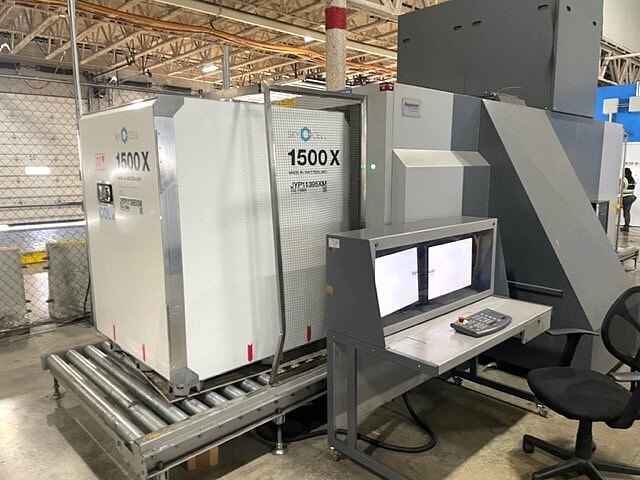
The 1500X is X-ray compatible, meaning it can pass customs screening without being opened in most cases. This reduces both exposure and handling events.
Fewer openings mean lower excursion probability.
Rapid Recovery after Door Opening
When containers must be opened, recovery speed matters.
The 1500X restabilizes rapidly after exposure. Following a 10-minute door opening in high ambient conditions, recovery time is less than 18 minutes.
For demanding drugs, recovery dynamics can determine whether a shipment remains within validated limits.
Real-Time Visibility in Airports
Airport dwell risk is amplified by the lack of visibility.
SkyCell’s IoT-powered monitoring system, combined with a gateway network across 250+ airports, enables indoor and outdoor location accuracy down to approximately 3 meters.
This allows teams to:
- Locate containers quickly in congested hubs
- Detect prolonged dwell
- Intervene before margins are exhausted
Combined with a reported temperature excursion rate of less than 0.05%, this demonstrates resilience under real-world airport conditions.
Financial and Operational Implications
Airport dwell does not only increase excursion risk. It also increases:
- Active freight rate exposure
- Infrastructure costs
- Handling complexity
- Emissions from repositioning and rehandling
By reducing infrastructure dependency and handling requirements, systems like the 1500X may qualify for passive freight rates with some airlines and reduce total cost and emissions.
Why Airport Dwell Risk Is Increasing
Airport congestion is rising due to:
- Growth in biologics and specialty shipments
- Capacity constraints at major hubs
- Increased inspection frequency
- Global supply chain volatility
As dwell time becomes less predictable, tolerance for disruption becomes more important than theoretical precision.
Summary
- Airport dwell time is one of the leading causes of air-freight temperature excursions
- Heat, inspections, plug scarcity, and congestion drive failure
- Most failures occur on the ground, not in flight
- Long runtime, no plug dependency, X-ray compatibility, and rapid recovery significantly reduce dwell risk
- SkyCell’s 1500X is designed specifically to tolerate airport exposure, with 270-hour runtime and <0.05% audited excursion rate