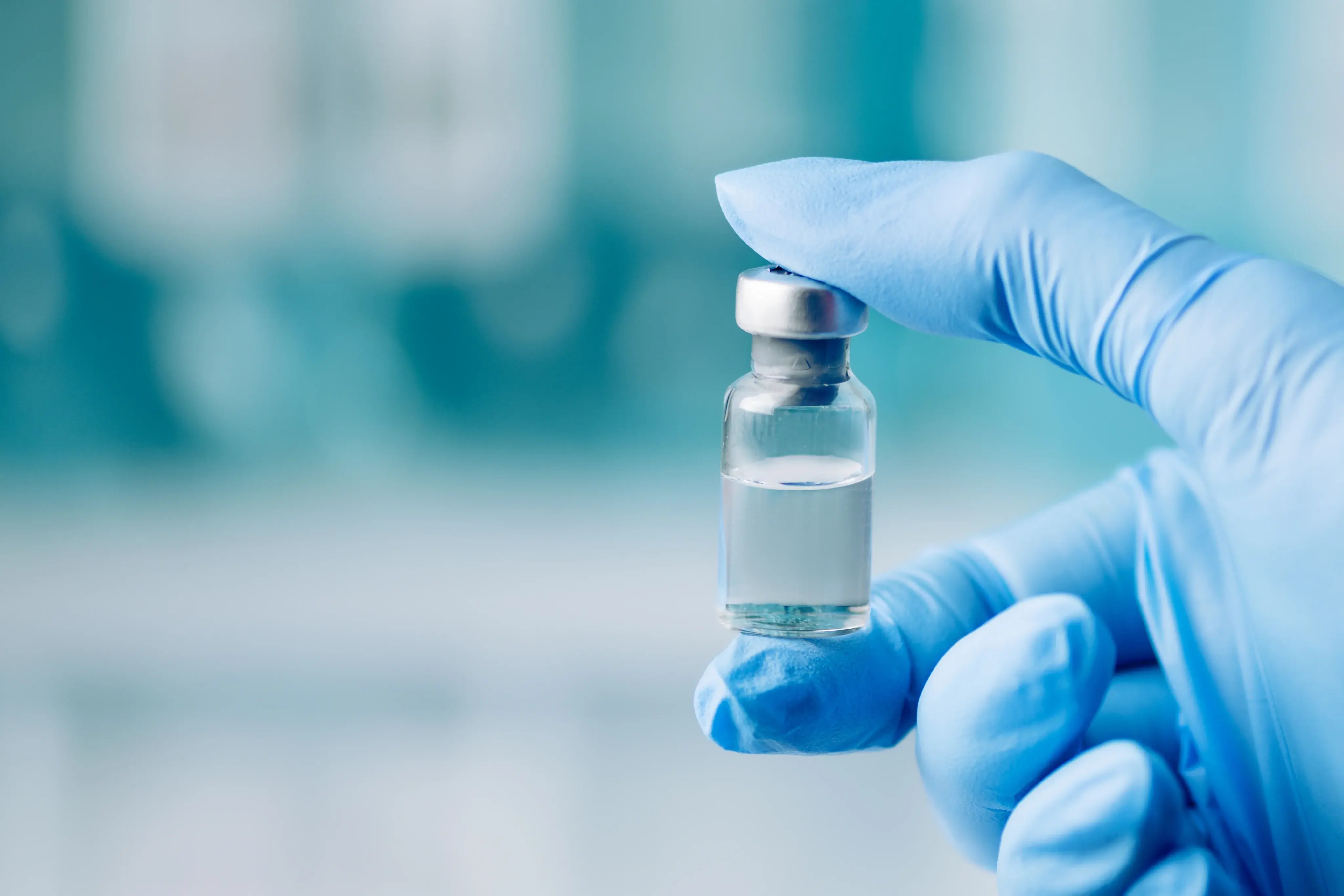
What Biologics Are And Why They Behave Differently
Biologics are medicines derived from living cells or organisms. Examples include:
- Monoclonal antibodies
- Recombinant proteins
- Vaccines
- Cell and gene therapies
- Certain oncology treatments
Because they originate from biological systems, these medicines have large and highly complex molecular structures.
This complexity makes them inherently more sensitive to environmental stress than traditional pharmaceuticals.

Why Biologics Degrade More Easily
Complex Molecular Structure
Small-molecule drugs are chemically synthesized and generally remain stable across a wider range of conditions.
Biologics, by contrast, are large protein molecules with intricate folding patterns. When exposed to stress such as temperature changes, these proteins may:
- Unfold
- Aggregate
- Lose biological activity
Once this structural damage occurs, the product typically cannot return to its original state.
Narrow Stability Margins
Many biologics must remain within +2°C to +8°C or other tightly controlled ranges.
Even brief excursions outside these limits can trigger degradation reactions. In some cases, the damage occurs before monitoring systems detect a deviation.
Because recovery may not be possible, maintaining stable conditions throughout the entire journey is critical.
Sensitivity To Environmental Stress
Temperature is only one of several factors that can affect biologic stability. Other risks include:
- Vibration and handling shocks
- Freezing or partial freezing
- Humidity exposure
- Light exposure
- Repeated temperature cycling
International transport environments expose shipments to many of these stresses at different stages of the journey.
Why International Transport Increases Risk
Moving biologics across borders introduces multiple operational challenges.
Most failures do not occur during steady transport but during transitions between logistics stages.
Airport Dwell Time
Airports are one of the highest-risk environments for temperature-sensitive medicines.
Shipments may sit:
- On hot tarmac
- In congested cargo warehouses
- Awaiting customs clearance
- Waiting for onward connections
Even relatively short dwell periods can significantly reduce the thermal margin of a shipment.
Customs Inspections
International shipments frequently undergo customs inspections.
These inspections may require containers to be opened, exposing products to ambient temperatures and creating temperature fluctuations.
Multiple Logistics Handovers
International shipments typically involve multiple organizations:
- Freight forwarders
- Airlines
- Ground handlers
- Trucking providers
- Warehouse operators
Each transfer introduces additional handling, potential delays, and opportunities for temperature disruption.

Infrastructure Variability
Cold chain infrastructure can vary significantly between regions and airports.
Some locations may have limited cold storage capacity, fewer temperature-controlled vehicles, or less predictable cargo handling processes.
This variability increases the likelihood of exposure during transit.
What Happens When Biologics Experience Temperature Excursions
Temperature excursions can cause several types of damage to biologic medicines.
These include:
- Protein denaturation, where the molecule loses its functional structure
- Aggregation, where proteins cluster together
- Loss of potency, reducing therapeutic effectiveness
- Increased immunogenicity risk, where altered proteins trigger immune responses
Because these changes are often invisible, maintaining validated temperature conditions is essential to ensuring product quality and patient safety.
How SkyCell Helps Protect Biologics During Transport
Because biologics tolerate very little disruption, protecting them requires both resilient temperature protection and strong operational oversight.
SkyCell’s approach combines multiple capabilities to reduce risk during international transport.
SkyCell hybrid containers maintain validated temperature ranges for 270+ hours without external power, allowing shipments to tolerate delays, airport dwell time, and infrastructure gaps without relying on plugs or batteries in transit.
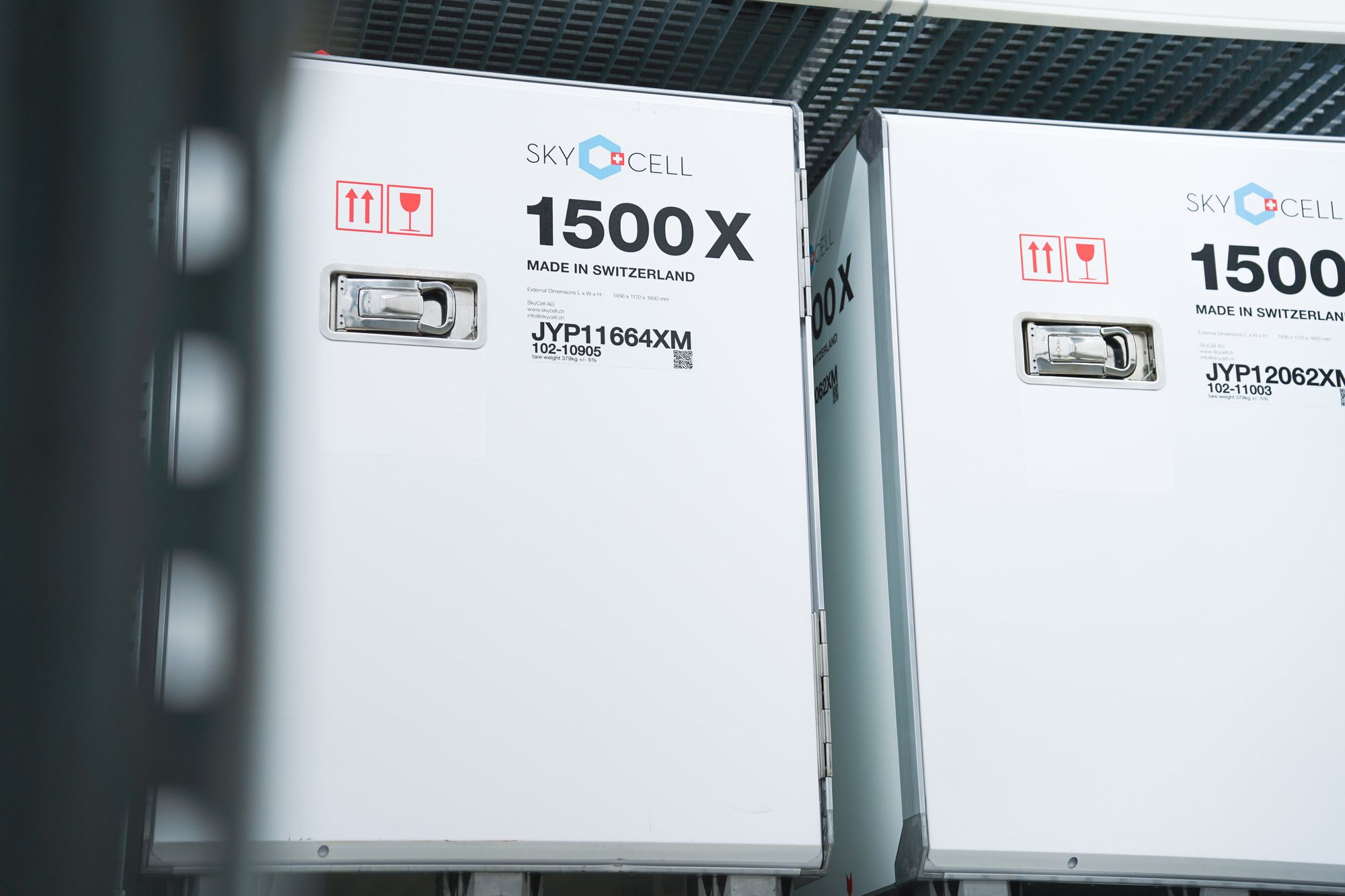
Embedded IoT sensors continuously monitor temperature, location, and handling conditions, providing real-time insight throughout the journey.
Through Validaide, SkyCell also provides lane intelligence and planning capabilities. With over 60,000 lanes digitized, companies can evaluate route risk, partner performance, and compliance readiness before shipments begin.
Combined with SkyCell’s real-time visibility network across more than 250 IoT-monitored airports, logistics teams can detect delays early and coordinate interventions when needed.
This layered approach helps reduce temperature excursions, improve shipment reliability, and protect sensitive biologic medicines during global transport.
Why Biologics Will Continue To Challenge Global Logistics
Biologics are one of the fastest-growing segments of the pharmaceutical industry.
At the same time:
- Global supply chains are expanding
- Product values are increasing
- Stability margins are tightening
As a result, reliable cold chain logistics is becoming increasingly critical for ensuring that patients receive safe and effective therapies.
Summary
- Biologics are highly sensitive to temperature and environmental stress
- Their complex protein structures can degrade irreversibly after excursions
- Most logistics risk occurs during airport dwell, inspections, and handovers
- International supply chains introduce infrastructure variability and delays
- Protecting biologics requires robust temperature protection, planning, monitoring, and intervention capability like that offered by SkyCell