Why The Industry Often Focuses On The Wrong Metric
Cold chain discussions are frequently framed around:
- Active vs passive
- Refrigerated vs non-refrigerated
- Powered vs non-powered
But these categories do not necessarily determine real-world reliability.
The more important question is:
How long can the system maintain validated temperature ranges during disruption without intervention?
On challenging lanes, disruptions are not exceptions. They are expected operating conditions.
Why Most Temperature Excursions Are Caused By Delays
Most pharmaceutical cold chain failures do not happen because cooling systems suddenly stop working mid-flight.
They occur during:
- Airport dwell time
- Customs inspections
- Missed flight connections
- Waiting for plug access
- Transfer between logistics partners
- Final-mile staging delays
These events consume thermal margin gradually until protection is exhausted.
This is why runtime becomes critical.

What Runtime Actually Means In Pharma Logistics
Runtime refers to how long a container can maintain validated temperature ranges without requiring external power or intervention.
Long runtime increases a shipment’s ability to tolerate:
- Congestion
- Infrastructure gaps
- Operational delays
- Unexpected rerouting
- High ambient temperatures
In practice, runtime determines whether a shipment survives real-world conditions.
Why Cooling Precision Alone Is Not Enough
Highly precise temperature control is valuable, but precision alone does not prevent excursions if the system depends on infrastructure that may not be available.
For example:
- A powered system may provide excellent control under ideal conditions
- But if plug access is unavailable during prolonged airport dwell, protection can degrade rapidly
On challenging lanes, resilience often matters more than theoretical precision.
Why Airport Dwell Changes Everything
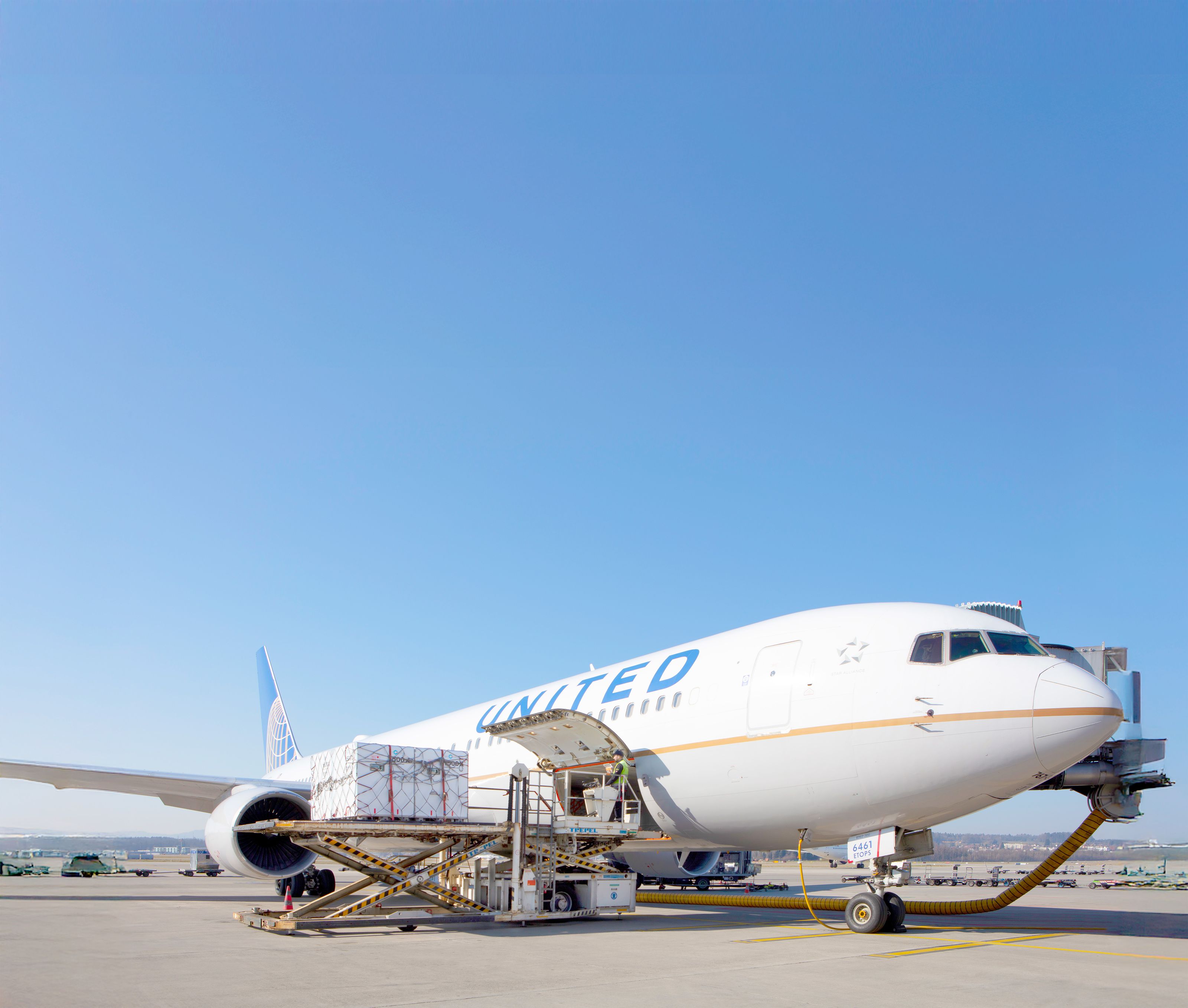
Airports are the highest-risk environments in pharmaceutical logistics.
Shipments may spend hours or days:
- On hot tarmac
- In congested warehouses
- Awaiting customs clearance
- Waiting for onward transport
These conditions expose systems to:
- Heat stress
- Infrastructure dependency
- Repeated handling
Containers with limited runtime or heavy reliance on charging infrastructure are more vulnerable during these periods.
Runtime And Infrastructure Dependency
Short-runtime systems often require:
- Frequent plug access
- Temperature-controlled vehicles
- Backup cold storage
- Time-sensitive coordination
This creates dependency on infrastructure at every stage of transport.
Long-runtime systems reduce this dependency by allowing temperature protection to travel with the shipment rather than relying on external support.
This becomes especially important on:
- Emerging-market lanes
- Tropical routes
- Congested airport hubs
- Multi-stop international shipments
What Happens When Runtime Runs Out
When runtime is exhausted, even a small delay can trigger an excursion.
At that point:
- Thermal margin disappears
- Product stability becomes uncertain
- Emergency intervention may be required
- Shipment loss risk increases significantly
For biologics and advanced therapies, there is often little or no recovery margin once excursions occur.
This is why selecting based only on planned transit time is risky. Systems must be evaluated against worst-case disruption scenarios.
What “Good Runtime” Looks Like
Effective runtime depends on lane complexity, product sensitivity, and expected disruption exposure.
On challenging global air freight lanes, long autonomous protection provides significantly greater resilience.
For example:
- The SkyCell 1500X provides 270+ hours of autonomous runtime without requiring external power or batteries in transit
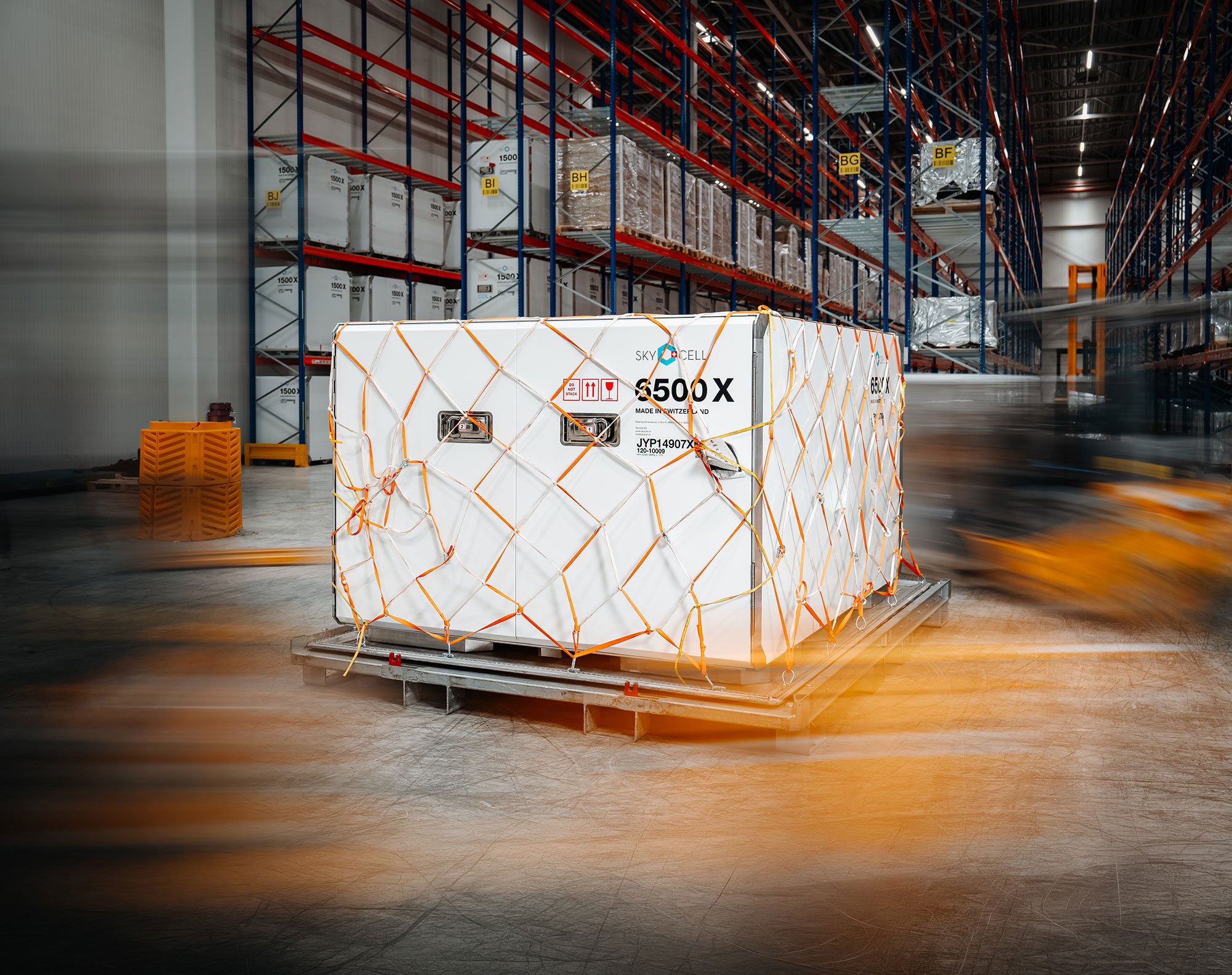
- The SkyCell 6500X extends this further with 300+ hours of runtime for larger-volume and bulk pharmaceutical shipments
These runtimes are designed to tolerate:
- Extended airport dwell
- Missed connections
- Customs delays
- Infrastructure gaps
- Hot-climate exposure
without compromising validated temperature performance.
Runtime Matters More For Biologics
Biologics are especially sensitive to disruption because they often:
- Have narrow stability margins
- Degrade irreversibly after excursions
- Cannot recover after exposure
For these products, runtime directly affects shipment survivability.
A shipment delayed by 24 hours may be manageable with sufficient thermal autonomy, but catastrophic if runtime is already nearly exhausted.
Runtime Alone Is Not Enough
Long runtime is essential, but resilient cold chains combine runtime with:
- Real-time visibility
- Lane intelligence
- Operational coordination
- Rapid intervention capability
Visibility helps teams detect prolonged dwell early. Operational coordination helps prevent small disruptions from escalating into product loss.
This layered approach becomes increasingly important as pharmaceutical supply chains become more global and complex.
Why Longer Runtime Can Reduce Infrastructure Requirements
When companies trust that shipments can tolerate delays safely, they can reduce reliance on:
- Reefer trucks on every leg
- Backup refrigeration systems
- Redundant cold storage
- Emergency contingency handling
This reduces:
- Operational complexity
- Cost
- Emissions associated with heavy cold chain infrastructure
Long runtime therefore supports both resilience and sustainability.
Summary
- Most pharma cold chain failures occur during delays, not during steady transport
- Runtime determines how well a shipment tolerates disruption
- Cooling precision alone is insufficient if infrastructure fails
- Airports and customs consume thermal margin rapidly
- Long-runtime systems reduce dependency on plugs and cold storage
- The SkyCell 1500X provides 270+ hours of runtime and the 6500X provides 300+ hours for large-volume shipments
- Runtime, visibility, and intervention capability work together to improve resilience